
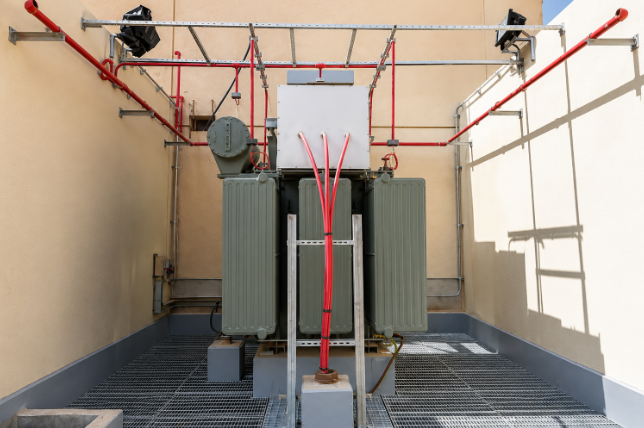
Reliable electrical power systems depend on proper grounding to ensure safety, maintain system stability, and protect valuable equipment. In industrial facilities, power plants, renewable energy installations, and commercial buildings, grounding solutions help control fault currents and improve overall system performance. One of the most effective solutions used in medium and high-voltage networks is the grounding delta transformer. It provides a neutral reference point where one does not naturally exist, allowing protective devices to operate correctly during ground faults.
As electrical infrastructure becomes more advanced, engineers continue to focus on grounding methods that improve operational reliability while reducing risks. Understanding how these transformers function and where they are applied helps facility managers and electrical professionals make informed decisions for long-term system performance.
What Is a Grounding Delta Transformer?
A grounding delta transformer is a specially designed transformer used in electrical systems that operate without a neutral point. Many delta-connected power systems cannot effectively detect or clear ground faults because they lack a grounded neutral. This transformer creates an artificial neutral, enabling the system to safely manage single-line-to-ground faults.
Unlike conventional power transformers that primarily transfer electrical energy between circuits, this transformer focuses on providing a stable grounding reference. It improves fault detection, enhances equipment protection, and contributes to safer electrical operation.
See also: Why Polycarbonate Rooflights Are the Smart Choice for Modern Buildings
Why Proper Grounding Matters
Grounding is one of the most important aspects of electrical system design. Without an effective grounding strategy, electrical systems may experience:
- Increased equipment damage during faults
- Higher safety risks for maintenance personnel
- Voltage instability
- Difficulty detecting ground faults
- Extended system downtime
Proper grounding ensures protective relays and circuit breakers operate quickly when abnormal conditions occur. This minimizes damage while maintaining operational continuity.
How Grounding Transformers Work
Electrical systems with delta-connected windings often lack a direct neutral connection. To overcome this limitation, grounding transformers create a neutral point by connecting specially configured windings between the electrical system and ground.
Once installed, the transformer provides a path for zero-sequence current during a ground fault. This allows protective devices to recognize abnormal current flow and isolate the affected section before extensive damage occurs.
The transformer itself normally carries very little current during standard operation. It becomes active only when ground faults develop, making it an essential protective component rather than a continuously loaded transformer.
Common Applications
Grounding transformers are used across many industries where electrical reliability is critical.
Power Generation Facilities
Power plants rely on dependable grounding to protect generators, transformers, switchgear, and auxiliary equipment from electrical faults.
Industrial Manufacturing
Manufacturing facilities often operate complex electrical distribution systems. Effective grounding helps reduce production interruptions while protecting expensive machinery.
Renewable Energy Projects
Wind farms and solar power plants frequently use delta-connected systems. Proper grounding improves system protection and enhances overall network stability.
Utility Distribution Networks
Electrical utilities use grounding transformers to improve fault detection and maintain safe distribution system operation across large service areas.
Benefits of Using This Technology
Organizations choose grounding solutions because they provide several operational advantages.
Improved Equipment Protection
Electrical equipment remains protected from excessive fault currents that could damage insulation, conductors, and connected devices.
Enhanced Personnel Safety
Proper grounding reduces dangerous touch voltages and minimizes electrical hazards during maintenance or unexpected fault conditions.
Better Fault Detection
Protective relays receive accurate fault current information, allowing faster system isolation and reducing the likelihood of widespread outages.
Greater System Stability
Voltage levels remain more stable during abnormal operating conditions, supporting consistent electrical performance.
Reduced Downtime
Fast fault detection and isolation help facilities resume normal operations more quickly after electrical disturbances.
Understanding the Zig Zag Design
One of the most widely used grounding transformer configurations is the zig zag grounding transformer. Unlike conventional winding arrangements, the zig-zag design divides each phase winding into two sections connected in opposite directions.
This unique construction provides several important advantages:
- Creates a neutral point without requiring a secondary winding
- Provides low impedance for ground fault currents
- Limits harmonic distortion
- Offers compact construction
- Delivers efficient grounding performance
Because of these benefits, zig-zag transformers are commonly selected for industrial power systems and utility applications.
Factors to Consider During Selection
Choosing the correct grounding transformer requires careful engineering evaluation.
System Voltage
The transformer must match the operating voltage of the electrical network.
Fault Current Rating
Engineers calculate expected fault currents to determine the required thermal and mechanical capabilities.
Continuous or Short-Time Duty
Some applications require only temporary fault current handling, while others demand continuous neutral loading.
Environmental Conditions
Installation location affects insulation requirements, enclosure design, and cooling methods.
Compliance Standards
Equipment should meet applicable industry standards and utility requirements to ensure reliable performance.
Installation Best Practices
Proper installation contributes significantly to long-term reliability.
Recommended practices include:
- Perform detailed system studies before installation.
- Verify all grounding connections are secure.
- Test insulation resistance before energizing.
- Coordinate protective relay settings.
- Conduct routine inspections after commissioning.
- Follow manufacturer maintenance recommendations.
Careful planning reduces operational risks and maximizes equipment life.
Grounding a Transformer Correctly
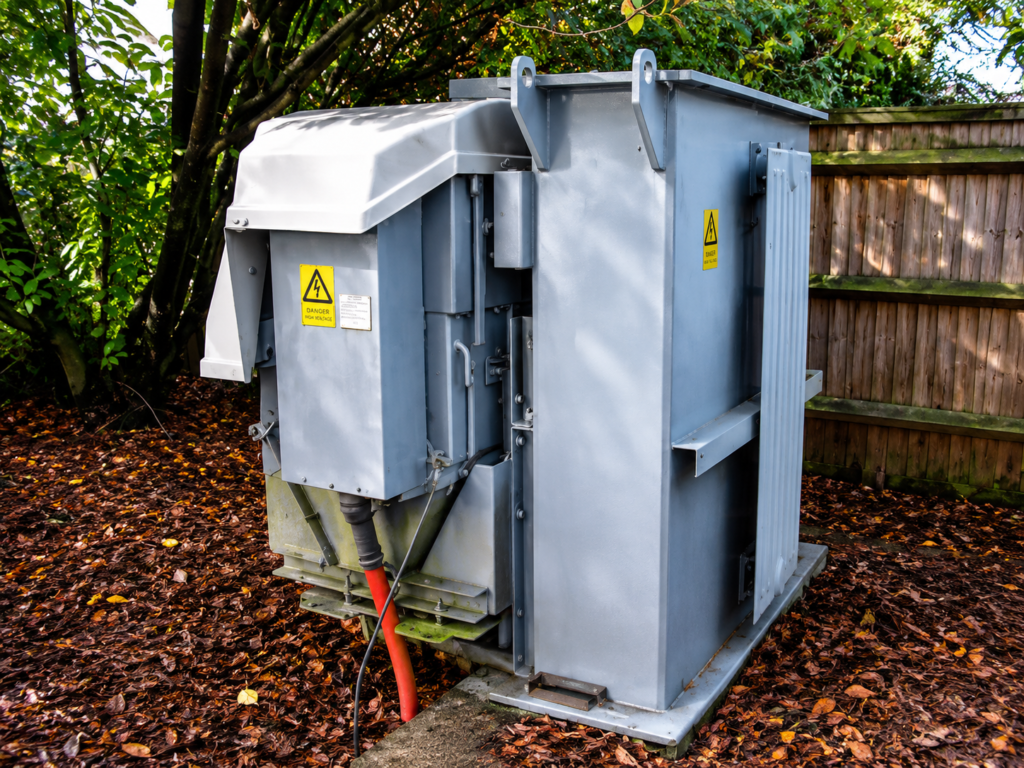
When grounding a transformer, engineers must evaluate system configuration, fault current requirements, and protective device coordination. An improperly grounded installation can reduce protection effectiveness or introduce unwanted circulating currents.
Professional design ensures the grounding method supports both operational reliability and electrical safety. Periodic testing also confirms the grounding system continues to perform as intended throughout the equipment’s service life.
Maintenance Requirements
Although grounding transformers generally require minimal maintenance, regular inspections improve reliability.
Routine maintenance may include:
- Visual inspection of bushings
- Checking electrical connections
- Insulation resistance testing
- Oil quality analysis for oil-filled units
- Thermal imaging of connections
- Cleaning external components
- Reviewing protective relay performance
Preventive maintenance helps identify developing issues before they become serious failures.
Common Challenges
Electrical systems occasionally encounter issues related to grounding equipment.
Typical challenges include:
- Incorrect transformer sizing
- Loose grounding conductors
- Inadequate fault current capacity
- Aging insulation
- Moisture contamination
- Improper relay coordination
Regular engineering assessments help resolve these issues while maintaining dependable system operation.
The Importance of a Reliable Ground Transformer
A properly selected ground transformer supports safe electrical operation by providing a controlled path for fault current. It improves protective device performance while reducing the possibility of equipment damage and extended outages.
Whether used in manufacturing facilities, renewable energy installations, utility substations, or large commercial buildings, grounding transformers play a significant role in maintaining electrical system integrity.
Conclusion
Grounding remains one of the most critical elements of any electrical distribution system. Installing the appropriate grounding solution helps improve personnel safety, protect expensive equipment, and enhance overall power system reliability. From fault detection to voltage stabilization, a well-designed grounding delta transformer provides the dependable neutral reference required for safe and efficient operation. As electrical infrastructure continues to evolve, investing in proper grounding practices will remain essential for ensuring long-term performance, minimizing downtime, and supporting reliable power delivery across a wide range of industrial and commercial applications.
