
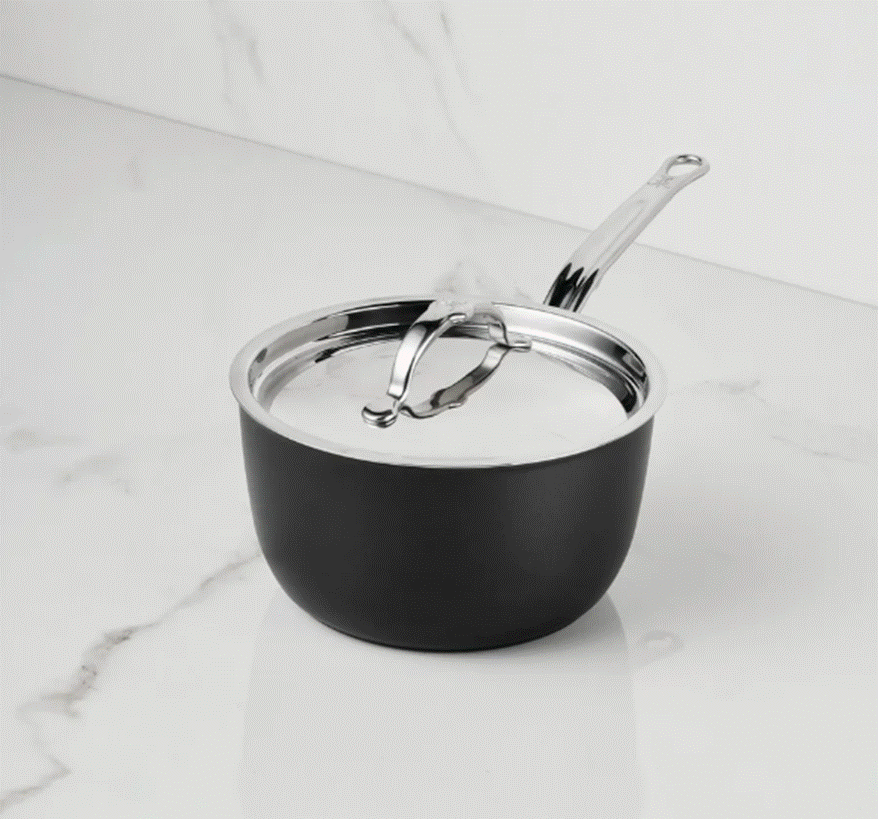
A saucepan is one of the most practical pieces of cookware for an everyday kitchen. While its name may suggest that it is primarily designed for sauces, a good saucepan can be used for much more. From preparing breakfast and side dishes to making soups, grains, sauces, and quick meals, its deeper shape and convenient design make it a valuable part of a versatile cookware collection.
Having cookware that can perform multiple tasks is particularly useful for busy households. Instead of using several different pans for simple meals, a versatile saucepan can help simplify preparation and reduce the amount of cookware that needs to be cleaned afterward.
The right saucepan can also make portion control easier. Its compact cooking area and deeper sides are suitable for recipes that contain liquids or ingredients that need to simmer. Whether you are preparing a meal for yourself or cooking for the whole family, choosing the right size and design can make everyday cooking more convenient.
Why a Saucepan Is So Useful
The shape of a saucepan gives it several practical advantages. Its deeper sides provide more capacity than a typical skillet, while the smaller cooking surface makes it suitable for foods that require liquid or gentle simmering.
Saucepans can be used for preparing sauces, grains, soups, vegetables, oatmeal, and many other dishes. They are also useful for reheating certain foods without needing to use a large cooking vessel.
Because of this versatility, a saucepan can become one of the most frequently used pieces in a kitchen.
When choosing one, consider how often you prepare liquid based dishes and what portion sizes you typically cook. The right capacity can make a significant difference in how comfortably you prepare meals.
Choosing the Right Size
Size should be one of the first considerations when selecting a saucepan. A small saucepan may be perfect for individual servings, sauces, and small quantities, while a larger option can accommodate family meals.
Think about the number of people you normally cook for. If you usually prepare meals for one or two people, a compact option may provide enough capacity without taking up unnecessary storage space.
Larger households may benefit from a bigger saucepan that can handle larger portions. However, choosing an oversized piece for small meals can make cooking less efficient.
The best approach is to select a size that reflects your most common cooking needs.
See also: What Is GHK-Cu, and Does It Actually Work?
Making Quick Breakfasts
A saucepan can be surprisingly useful for breakfast. Foods such as oatmeal, porridge, grains, and certain warm breakfast preparations can be made easily in a suitable saucepan.
For oatmeal, the deeper sides help contain liquid and grains while they cook. Gentle heat and regular stirring can help achieve the desired consistency.
A saucepan can also be useful for warming milk or preparing ingredients for other breakfast recipes.
For people who prefer simple homemade breakfasts, having a reliable saucepan available can make morning meal preparation easier.
Preparing Homemade Sauces
Sauces are one of the most obvious uses for a saucepan. Its shape allows liquids and ingredients to simmer together while leaving enough room for stirring.
A basic saucepan can be used for tomato based sauces, creamy preparations, gravies, reductions, and other recipes. Depending on the ingredients, sauces can be prepared slowly over low or moderate heat to develop flavor.
Stirring regularly can help prevent ingredients from settling or sticking to the bottom.
The ability to prepare sauces at home also gives cooks greater control over ingredients and seasoning. You can adjust flavors according to personal preferences and the meal being prepared.
Cooking Rice and Other Grains
A saucepan can be useful for preparing rice and a variety of grains. The deeper design provides space for water and ingredients while allowing them to cook with controlled heat.
Different grains require different amounts of liquid and cooking times, so it is important to follow the instructions for the specific ingredient.
Keeping the heat at an appropriate level can help prevent excessive boiling or burning. Once the cooking process is complete, allowing grains to rest for a short period can also help improve their texture.
A saucepan that provides even cooking can make these everyday preparations easier to manage.
Making Simple Soups
Soup is another easy meal that can be prepared in a saucepan, particularly when making smaller portions.
A simple vegetable soup can begin with sautéed vegetables followed by broth and seasonings. Once the ingredients are combined, they can simmer until the vegetables reach the desired texture.
You can also prepare lentil based soups, creamy vegetable soups, and other quick recipes depending on the size of the cookware.
For busy days, a saucepan can make it possible to prepare a warm homemade meal without using multiple pieces of cookware.
Cooking Vegetables
Vegetables can be prepared in many ways using a saucepan. Boiling, simmering, steaming with appropriate equipment, and preparing vegetables in sauces are all possible depending on the recipe.
For example, potatoes, carrots, peas, and other vegetables can be simmered until tender. Vegetables can then be seasoned or combined with other ingredients to create a simple side dish.
The deeper cooking surface also makes it easier to prepare vegetables with liquid based recipes.
Choosing a saucepan that is easy to clean can make these everyday cooking tasks even more convenient.
Preparing One Pot Meals
One pot meals are popular because they simplify both preparation and cleanup. A versatile saucepan can be useful for smaller one pot recipes.
Pasta dishes, grain bowls, vegetable preparations, and simple protein based meals can sometimes be prepared in a single saucepan.
The key is to consider the capacity of the cookware and the order in which ingredients should be added. Ingredients that require longer cooking times can be added first, while more delicate components can be introduced later.
This approach can save time and reduce the number of dishes that need to be washed after cooking.
The Benefits of a Nonstick Surface
A nonstick cooking surface can make saucepan cooking more convenient. Ingredients are less likely to adhere strongly to the bottom, which can help when preparing foods that need frequent stirring.
This can be especially useful for sauces, oatmeal, grains, and other recipes where ingredients may become sticky as they cook.
A smooth surface can also simplify cleanup. When food releases more easily, washing the saucepan after cooking may require less effort.
However, proper maintenance remains important. Always follow the care recommendations provided with the cookware.
TITUM Nonstick Saucepans for Everyday Cooking
For households looking for practical cookware that can support a variety of recipes, TITUM Nonstick Saucepans can be a useful addition to a kitchen collection.
A dependable saucepan can support everyday meals without requiring specialized cookware for every recipe. From sauces and grains to soups and vegetables, its versatility can make meal preparation more efficient.
When selecting a saucepan, consider the capacity, cooking surface, handle design, maintenance requirements, and how often you expect to use it.
The best cookware should fit naturally into your kitchen routine and provide useful functionality across multiple meals.
Making Sauces More Easily
Sauces often require careful temperature management and regular stirring. A suitable saucepan can make these tasks more manageable.
Start by following the recipe instructions for heat and ingredients. Some sauces need gentle simmering, while others may require more controlled heating to achieve the desired consistency.
A nonstick surface can be useful because it can reduce the amount of residue that sticks to the bottom during cooking.
Using the right utensil and stirring at appropriate intervals can also help maintain a smooth texture.
Preparing Comfort Food
A saucepan is particularly useful when preparing comfort foods. Warm oatmeal, creamy sauces, soups, mashed vegetables, and other simple dishes can all be made using suitable cookware.
These meals do not necessarily require complicated techniques. With quality ingredients, appropriate heat, and the right cookware, simple recipes can become satisfying everyday meals.
The versatility of a saucepan means that you can prepare different types of comfort food without needing multiple specialized pieces.
Reheating Leftovers
Reheating food on the stovetop can sometimes provide better control than using high heat methods. A saucepan can be useful for warming soups, sauces, vegetables, grains, and certain leftovers.
Gentle heating can help warm food more evenly while reducing the risk of burning.
Adding a small amount of liquid to certain foods may help restore moisture during reheating, although this depends on the recipe.
The depth of a saucepan also helps contain food while it is being stirred during reheating.
Cooking for Different Portions
A versatile saucepan can accommodate different cooking situations when the size is chosen carefully.
For individual meals, a smaller saucepan may provide better control and reduce unnecessary food waste. For family meals, a larger capacity can make it easier to prepare enough food in one batch.
If you frequently cook different portion sizes, having more than one saucepan size can be useful. However, a single versatile option may be enough for many households.
Think about your most common recipes before deciding which size is right for you.
Handle Design and Comfort
The handle is an important part of saucepan design. A comfortable and secure grip can make the cookware easier to move and control.
Consider how the saucepan feels when it is empty and when it contains food. A well balanced design can make lifting and transferring easier.
If you frequently prepare sauces or meals that require stirring, handle comfort becomes even more important.
The handle should also be used according to the manufacturer’s recommendations, particularly when the saucepan is exposed to heat.
Easy Cleanup Matters
After preparing a meal, the last thing most people want is a difficult cleanup process. A saucepan with a smooth cooking surface can help reduce the amount of food residue left behind.
Following appropriate cleaning instructions can help preserve the cookware and keep it ready for the next meal.
Avoid harsh cleaning methods unless they are specifically recommended. Using suitable cleaning tools and washing the cookware appropriately can help maintain its condition.
Easy cleanup is especially valuable for cookware that is used frequently throughout the week.
Proper Care for Longer Use
Even durable cookware requires proper care. Following recommended temperature limits, using suitable utensils, and cleaning the surface correctly can all contribute to longer lasting performance.
Avoid unnecessary overheating and follow the manufacturer’s instructions regarding stovetop use.
When storing the saucepan, make sure the cooking surface is protected from contact with sharp or abrasive objects.
Small maintenance habits can have a significant impact on the useful life of cookware.
Planning Simple Weekly Meals
A versatile saucepan can also support weekly meal planning. You can use it to prepare grains, sauces, vegetables, soups, and other components in advance.
Preparing certain ingredients ahead of time can make weekday meals faster. For example, cooked grains can be stored for later use, while homemade sauces can be prepared in advance and added to meals throughout the week.
This approach can reduce daily preparation time and make home cooking more manageable.
Building a Practical Cookware Collection
A saucepan works particularly well alongside other essential cookware. A skillet can provide a broad surface for sautéing and frying, while a saucepan can handle liquids, sauces, grains, and simmering recipes.
Together, these pieces can cover many everyday cooking needs.
Instead of purchasing cookware based solely on appearance, think about how each piece will contribute to your kitchen. Choosing versatile cookware can help reduce clutter while increasing functionality.
Final Thoughts
A saucepan can do much more than prepare sauces. Its deeper cooking surface makes it useful for breakfast foods, grains, vegetables, soups, sauces, reheating, and many simple one pot meals.
Choosing the right size, cooking surface, handle design, and maintenance requirements can help ensure that the cookware fits your daily routine.
For cooks looking for flexible cookware that supports everyday recipes, TITUM Nonstick Saucepans can provide a practical option to consider. A dependable saucepan can simplify meal preparation while making cleanup more manageable. If you need help choosing the right cookware for your kitchen, Contact Us to explore your options and find the right fit for your cooking needs.
With proper care and thoughtful use, a versatile saucepan can become an essential part of your kitchen. Whether you are preparing a quick breakfast, making a homemade sauce, cooking grains, or creating a comforting soup, the right saucepan can make everyday cooking more convenient and enjoyable.
