
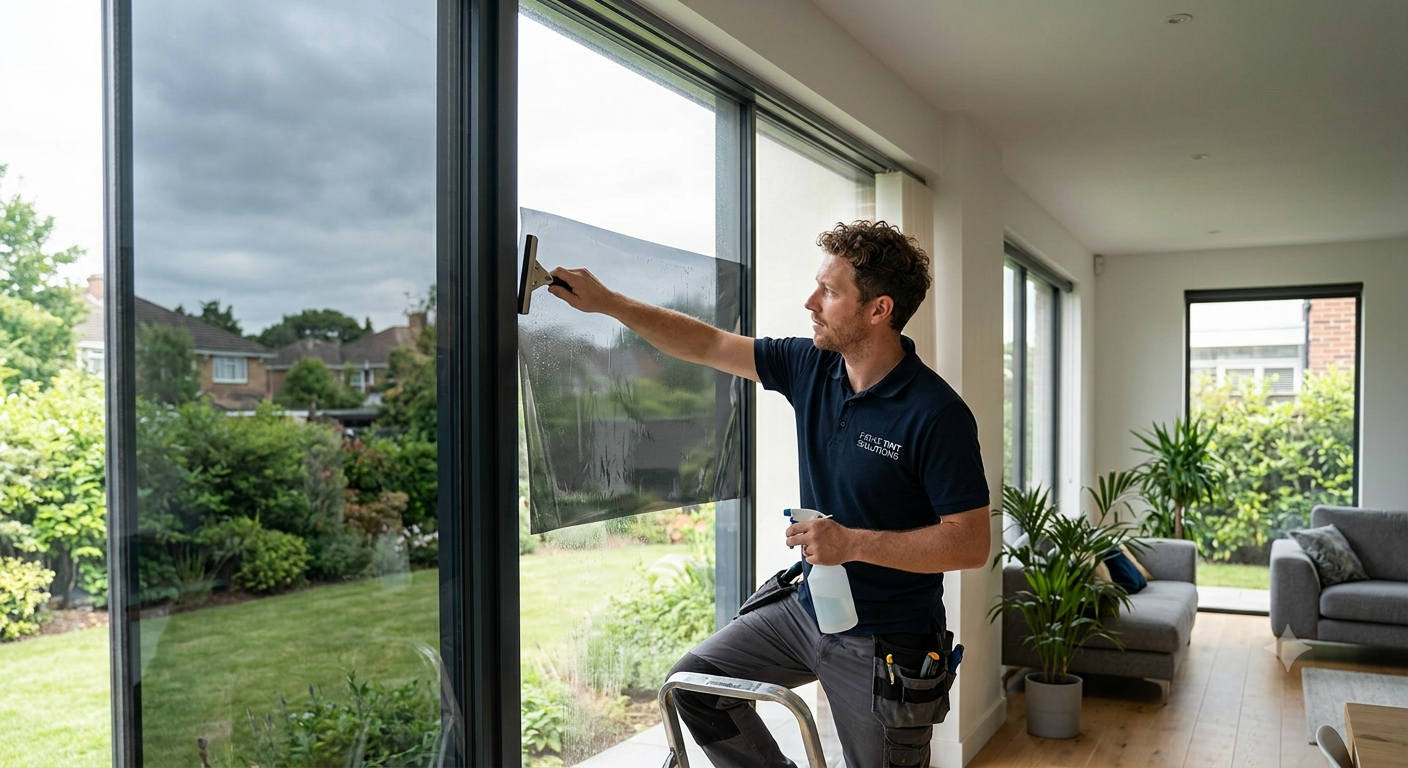
Modern homeowners are increasingly looking for practical ways to make their homes more comfortable, private, and energy efficient without making major structural changes. Residential glass tinting can be an effective solution for improving the performance and appearance of windows while maintaining access to natural light. Depending on the type of film selected, tinted glass can help reduce excessive sunlight, minimize glare, improve privacy, and protect interior furnishings from prolonged exposure to ultraviolet rays. These benefits make window film an option worth considering for bedrooms, living rooms, home offices, kitchens, and other areas with large or frequently exposed windows.
What Is Residential Glass Tinting?
Residential glass tinting involves applying a specially designed film to the interior surface of existing glass. The film can be manufactured with different shades, finishes, and performance characteristics depending on the intended purpose. Some films are designed primarily to reduce solar heat, while others focus on privacy, glare control, ultraviolet protection, or decorative appearance.
Unlike replacing an entire window, applying film can provide an opportunity to improve existing glass without changing the window frames or making extensive modifications to the property. This makes it a flexible option for homeowners who want to address specific window related concerns while preserving the existing design of their home.
The right film depends on factors such as window orientation, glass type, room usage, desired privacy level, and the amount of sunlight entering the space. A professional assessment can help determine which type of film is appropriate for particular areas of the home.
1. Helps Reduce Excessive Heat
One of the most noticeable benefits of window film is its ability to reduce the amount of solar heat entering a home. Rooms with large windows or windows that receive direct sunlight for several hours can become uncomfortable, particularly during warmer months.
Tinted film can help manage solar energy passing through the glass. By reducing heat gain, it can make certain rooms feel more comfortable throughout the day. This can be especially useful for homes with large living room windows, sunrooms, bedrooms, or spaces that receive strong afternoon sunlight.
Reducing heat entering through windows may also make it easier for a home’s cooling system to maintain a comfortable indoor temperature. Instead of relying entirely on air conditioning to compensate for intense solar exposure, homeowners can use window treatments as part of a broader approach to managing indoor temperatures.
2. Improves Indoor Comfort
Temperature differences between rooms can make a home feel inconsistent. One room may remain comfortable while another becomes noticeably warmer because of direct sunlight through its windows.
Window film can help address this issue by reducing solar heat transmission. When windows contribute less to unwanted heat gain, rooms may feel more balanced and comfortable during periods of strong sunlight.
This can be particularly beneficial in homes with open floor plans. Large areas of glass can allow substantial sunlight into the property, creating warm spots that affect nearby rooms. Installing suitable film can help create a more comfortable environment without requiring homeowners to keep curtains or blinds closed throughout the day.
3. Helps Control Glare
Natural light is an important part of a comfortable home, but excessive brightness can become a problem. Strong sunlight can create glare on televisions, computer screens, tablets, and other displays.
This can be frustrating for people who work from home, study, watch television, or spend considerable time in rooms with large windows. Closing curtains or blinds can reduce glare, but doing so also blocks much of the natural light.
Window film provides another approach. Depending on the film selected, it can reduce excessive brightness while allowing useful daylight to remain in the room. This can make spaces such as home offices and entertainment areas more practical during bright parts of the day.
4. Provides Additional Privacy
Privacy is another important consideration for homeowners. Windows facing busy streets, neighboring properties, sidewalks, or shared outdoor spaces can make residents feel exposed, particularly after dark or during periods when interior lights are switched on.
Certain types of residential window film can make it more difficult for people outside to see clearly into a property during appropriate lighting conditions. Privacy focused films can therefore provide an additional layer of visual separation between indoor and outdoor spaces.
The level of privacy depends on the type of film, lighting conditions, window location, and the difference between indoor and outdoor brightness. Homeowners should consider these factors before selecting a product.
Privacy film can be especially useful for bathrooms, bedrooms, street facing windows, entry areas, and rooms positioned close to neighboring buildings.
5. Helps Protect Interior Furnishings
Sunlight contains ultraviolet radiation that can contribute to fading and deterioration of interior materials over time. Furniture, flooring, artwork, rugs, curtains, photographs, and other household items may gradually lose their original appearance when exposed to prolonged sunlight.
Window film can help reduce the amount of ultraviolet radiation passing through the glass. This can provide an additional protective measure for valuable or frequently exposed interior surfaces.
While no window film can completely prevent natural aging or damage, reducing ultraviolet exposure can help homeowners take better care of their interiors. This may be particularly valuable in rooms containing wooden furniture, decorative pieces, artwork, or fabrics that receive direct sunlight.
6. Supports Energy Efficiency
Windows can have a significant effect on the energy performance of a home. During hot weather, sunlight entering through glass can increase indoor temperatures and place additional demands on cooling equipment.
Solar control film can help reduce this effect by limiting solar heat entering through windows. As a result, the cooling system may not need to work as intensely to maintain the desired indoor temperature during periods of strong sunlight.
Energy performance depends on many factors, including the home’s insulation, window construction, climate, HVAC system, orientation, and daily usage. Window film should therefore be considered as one part of an overall energy management strategy rather than a standalone solution.
7. Maintains Access to Natural Light
Some homeowners avoid window treatments because they do not want to make their rooms feel dark or closed off. Traditional curtains and blinds can provide privacy and sunlight control, but they may reduce natural illumination when closed.
Window film can offer a different approach. Depending on the selected shade and design, it can control certain aspects of sunlight while still allowing daylight into the room.
Maintaining natural light can contribute to a more pleasant interior atmosphere. Bright, naturally illuminated rooms can feel more open and welcoming, which is particularly valuable in living spaces, kitchens, dining areas, and home offices.
8. Can Enhance the Appearance of Windows
Window film is not limited to functional benefits. Different finishes and shades can also influence the appearance of glass.
A subtle tinted finish can give windows a more uniform appearance, while frosted or decorative options can create a distinctive visual effect. This allows homeowners to consider both practical requirements and interior design preferences when selecting a film.
Decorative options can also be useful when homeowners want to add visual interest to glass doors, partitions, sidelights, or other architectural glass without replacing the existing materials.
9. Offers a Flexible Solution for Different Rooms
Every room in a home has different requirements. A bedroom may need more privacy, while a home office may benefit primarily from glare reduction. A living room with large windows may require better solar control, while a bathroom may need additional visual privacy.
This flexibility makes window film suitable for a variety of residential applications. Homeowners do not necessarily need to use the same type of film throughout the property. Different rooms can be evaluated individually based on sunlight exposure, privacy requirements, design preferences, and everyday use.
This approach can also make the overall investment more practical because homeowners can prioritize areas where window related problems are most noticeable.
10. Can Complement Existing Window Treatments
Installing window film does not necessarily mean removing curtains, blinds, or shades. In many homes, film can work alongside existing window treatments.
For example, a homeowner may use film for solar control during the day while continuing to use curtains for nighttime privacy. Similarly, blinds can remain available when complete darkness or additional light control is required.
Combining different window solutions allows homeowners to address multiple concerns without relying on a single product for every purpose.
Factors to Consider Before Installation
Before choosing a film, homeowners should evaluate the specific characteristics of their windows and property. Window orientation is important because south or west facing windows may receive stronger sunlight during certain parts of the day.
The type of glass should also be considered. Different glass constructions can have different performance characteristics, and not every film is suitable for every glazing system. Professional guidance can help prevent compatibility issues and ensure the selected film is appropriate for the application.
Homeowners should also decide what they want to achieve. Someone primarily concerned with heat reduction may need a different option from someone looking for privacy or decorative enhancement.
Other considerations include film appearance, visible light transmission, privacy requirements, maintenance expectations, and installation quality.
Why Professional Installation Matters
The quality of installation can have a major effect on the final appearance and performance of window film. Proper preparation of the glass, accurate film measurement, careful application, and appropriate finishing techniques are important for achieving a clean result.
Professional installers can also assess the windows before installation and help homeowners select an option suited to their requirements. This is particularly important when a property has different glass types, large windows, unusual shapes, or areas with demanding exposure conditions.
Professional installation can help minimize visible imperfections and ensure the film is applied correctly. Homeowners should also follow recommended care instructions after installation to allow the film to settle properly and maintain its appearance.
How to Maintain Tinted Windows
Once installed, window film generally requires straightforward maintenance. Homeowners should use suitable cleaning products and soft materials that will not unnecessarily scratch or damage the film.
Harsh chemicals, abrasive cleaning tools, or aggressive scrubbing should be avoided unless specifically approved for the particular film. Following the manufacturer’s care recommendations can help preserve the appearance and performance of the installation.
Regular cleaning also prevents dust and residue from building up on the glass. With appropriate care, professionally installed film can remain an attractive and useful part of a home’s window system for years.
Is Residential Glass Tinting Worth Considering?
For homeowners dealing with excessive heat, glare, privacy concerns, or strong sunlight, residential glass tinting can provide several practical benefits without requiring complete window replacement. It can support a more comfortable indoor environment, help manage sunlight, protect furnishings from ultraviolet exposure, and complement the overall appearance of a property.
The best results come from choosing the right film for each application and ensuring that the glass is compatible with the selected product. Homeowners should consider their property’s window orientation, room usage, privacy requirements, design preferences, and performance goals before making a decision. If you need help selecting the right option for your home or have questions about installation, contact us for professional guidance and assistance.
Ultimately, window film can be a versatile addition to a home. When carefully selected and professionally installed, it can combine functional improvements with visual appeal while allowing homeowners to continue enjoying the benefits of natural light.
