
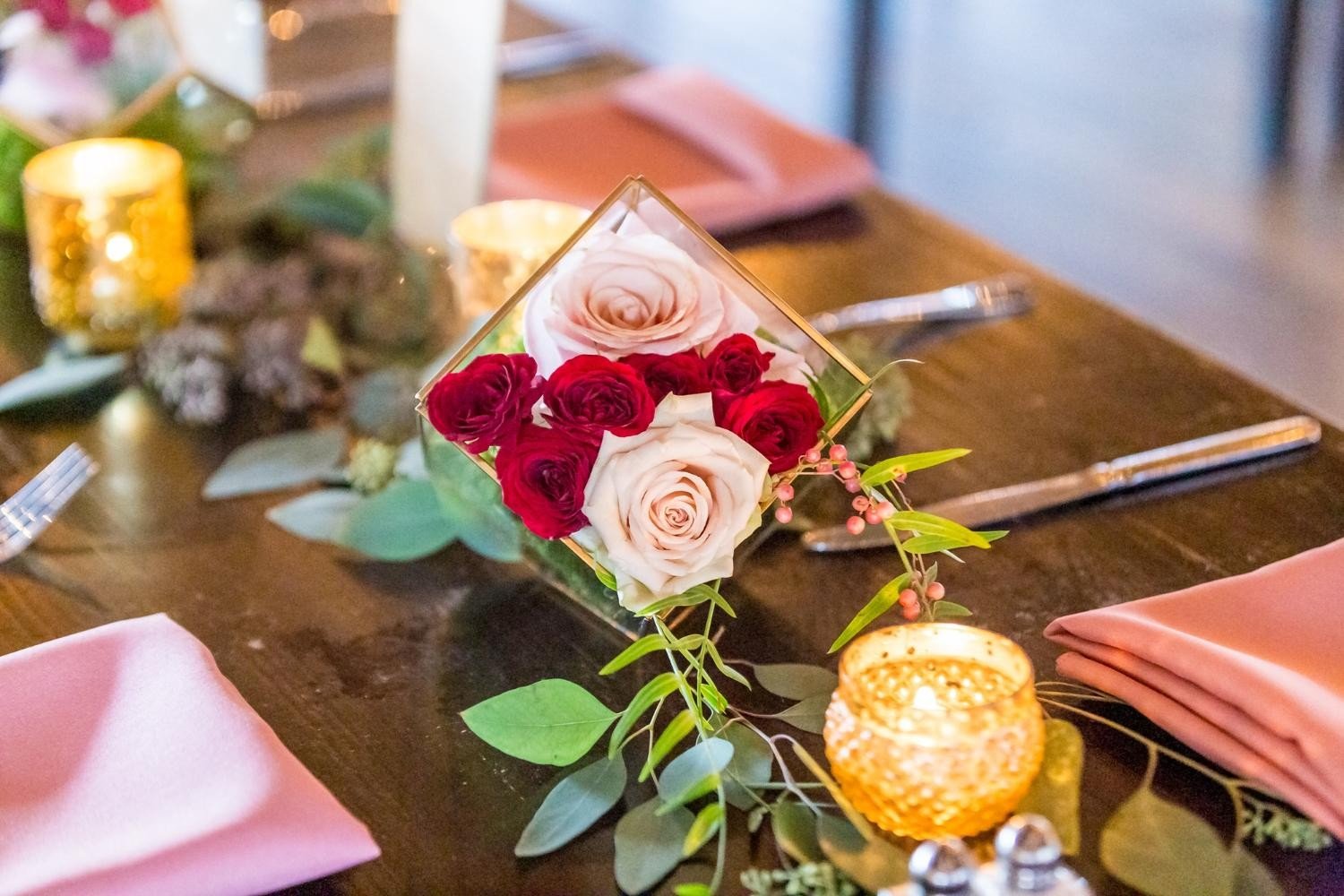
A well-designed workplace is about more than desks, meeting rooms, and modern furniture. The colours, textures, lighting, and decorative details all contribute to how a space feels to employees, clients, and visitors. Among these details, floral arrangements offer a simple yet effective way to introduce colour, soften formal interiors, and create a welcoming atmosphere.
Creative floral décor ideas for corporate offices and professional spaces can help businesses make stronger first impressions while creating interiors that feel polished, comfortable, and aligned with their brand identity. From elegant reception displays to subtle arrangements in meeting rooms, thoughtfully selected flowers can complement different office layouts without overwhelming the working environment. Floral arrangement rentals offer a convenient way for businesses to maintain stylish, professional interiors with regularly refreshed designer arrangements and minimal maintenance.
Why Floral Décor Matters in Corporate Offices
Office design influences the experience people have when they enter and spend time in a workplace. Although functionality should always come first, decorative elements help create an environment that feels considered rather than purely practical.
Flowers introduce organic shapes, varied textures, and colour into interiors that may otherwise feature glass partitions, metal furniture, neutral walls, and straight architectural lines.
Here are several reasons businesses can benefit from incorporating floral décor into their interiors.
1. Create a Welcoming First Impression
The reception area is often the first physical interaction a visitor has with a business. Before a meeting begins or a conversation takes place, the surroundings communicate something about the organisation.
A carefully selected floral arrangement can make this space feel more welcoming while reinforcing a professional image.
Consider the following ideas:
- Position a medium or large designer arrangement on a reception counter or nearby console.
- Choose colours that complement the company logo and interior palette.
- Use an elegant arrangement to soften a minimalist reception area.
- Select a display that remains proportionate to the furniture and available space.
- Keep flowers away from visitor pathways, access points, and reception equipment.
A thoughtfully styled reception does not need excessive decoration. One well-positioned arrangement can become a focal point without distracting from the reception team’s work.
2. Add Warmth to Formal Interiors
Many corporate offices feature neutral colours, polished surfaces, glass walls, and contemporary furniture. These materials create a clean, professional appearance, but the overall environment can sometimes feel visually cold.
Floral arrangements introduce softness and visual variety. Rounded blooms can balance angular furniture, while greenery-inspired tones can complement wood finishes and natural textures.
For example, an office with white walls, grey seating, and a glass reception desk could benefit from a designer arrangement featuring soft whites, greens, and restrained accent colours. A darker executive office might suit a more dramatic arrangement with deeper tones and sculptural forms.
The goal is to create contrast while preserving the character of the space.
3. Support a More Considered Workplace Experience
Employees and visitors interact with their surroundings throughout the day. Decorative details can make shared spaces feel more inviting and demonstrate that attention has been given to the workplace experience.
Flowers may contribute to a pleasant atmosphere in reception areas, breakout spaces, and client lounges. However, décor should complement practical workplace improvements rather than replace them.
Businesses should also consider accessibility, clear walkways, individual sensitivities, and the needs of employees who share the environment.
Creative Floral Décor Ideas for Different Office Areas
The most effective floral styling takes the purpose of each space into account. A reception area has different requirements from a boardroom, executive office, or employee breakout zone. Matching the arrangement to the room helps create a consistent design without making every area look identical.
1. Elegant Floral Arrangements for Reception Areas
Reception areas benefit from arrangements that are noticeable without obstructing movement or communication. The design should reflect the business’s personality while remaining suitable for a professional setting.
Styling ideas to consider:
- Choose a statement arrangement for a spacious reception desk or lobby console.
- Use white, cream, and green tones for a refined, understated appearance.
- Introduce carefully selected accent colours to complement the brand palette.
- Match the arrangement’s height and width to the reception furniture.
- Keep the surrounding area uncluttered so the display remains visually effective.
Businesses with premium interiors may prefer sculptural designs, while creative agencies might choose arrangements with more varied shapes and expressive colours.
2. Sophisticated Floral Décor for Meeting Rooms
Meeting rooms host client presentations, planning sessions, interviews, and important business discussions. Floral décor can soften the environment without taking attention away from the conversation.
For conference tables, compact arrangements are generally more practical than tall displays. Flowers should not block sightlines, interfere with laptops, or take up valuable working space.
Useful options include:
- Small, low-profile centrepieces for larger conference tables.
- Discreet arrangements on sideboards or storage consoles.
- Neutral floral designs for rooms used for formal negotiations.
- Coordinated arrangements for boardrooms and adjacent meeting spaces.
The arrangement should be easy to work around. A carefully positioned display can enhance the room while allowing participants to concentrate on the meeting.
3. Stylish Floral Displays for Executive Offices
Executive offices often combine functional furniture with elements that communicate experience, authority, and attention to detail. Floral styling should complement these features rather than compete with them.
A small designer arrangement on a credenza, side table, or visitor seating console can introduce colour without making the office feel crowded.
For a professional and cohesive appearance:
- Match floral colours to the office’s existing finishes.
- Choose restrained arrangements for minimalist interiors.
- Use stronger colour contrasts where the décor supports a more expressive style.
- Avoid placing arrangements where they interfere with documents, monitors, or daily work.
- Coordinate the design with the overall office aesthetic.
Executive spaces benefit from consistency. Floral arrangements should look intentional and fit naturally into the existing design scheme.
4. Floral Accents for Employee Breakout Areas
Breakout spaces provide employees with places to have informal conversations, take breaks, or step away from their desks. These areas can feel more comfortable when their design differs slightly from the formal office environment.
A floral arrangement on a side table or shared counter can introduce colour and create a visual connection between the furniture, wall finishes, and other decorative elements.
Consider arrangements that complement:
- Comfortable lounge seating.
- Timber tables and shelving.
- Neutral upholstery.
- Soft lighting and warm wall colours.
- Collaborative spaces used for informal discussions.
Keep displays away from food preparation surfaces and high-traffic areas. The most suitable arrangement is one that adds visual interest without creating extra work for employees.
5. Floral Décor for Client Lounges and Waiting Areas
Waiting areas are common in corporate offices, consulting practices, medical facilities, and professional service businesses. Visitors may spend several minutes there before meeting a staff member, making the environment an important part of their overall experience.
Floral décor can make these spaces feel more welcoming and carefully maintained.
Choose arrangements that complement the seating, artwork, lighting, and available floor space. A larger display may suit a spacious lounge, while a compact design may work better on a small side table.
For businesses that welcome visitors throughout the day, designer arrangements that retain their appearance without regular watering or the removal of fallen petals can be a practical option.
How to Choose the Right Floral Style for Your Office
The best floral arrangement is not necessarily the largest or most colourful. It is the one that works with the interior, the business’s identity, and the function of the space.
Minimalist Floral Arrangements
Minimalist designs suit offices with clean lines, uncluttered surfaces, and neutral colour palettes.
They typically feature a restrained colour scheme, balanced proportions, and a simple overall composition.
These arrangements are particularly suitable for:
- Legal and financial offices.
- Executive suites.
- Contemporary reception areas.
- Small meeting rooms.
- Workplaces with understated interiors.
Colourful Designer Arrangements
Colourful floral displays can add personality to offices that feature neutral walls and simple furniture. They can also complement creative workplaces that use colour as part of their brand identity.
Choose one or two dominant colours and use secondary shades to create balance. This prevents the arrangement from appearing disconnected from the surrounding décor.
Bright arrangements may suit creative agencies, customer-facing businesses, and informal collaborative areas. More restrained colour combinations are often preferable in spaces designed for formal meetings.
Sculptural and Contemporary Floral Designs
Sculptural arrangements use shape, height, spacing, and contrasting textures to create a distinctive visual feature.
They can work especially well in spacious lobbies, modern office buildings, and reception areas with high ceilings.
When selecting this style, consider the proportions of the furniture, the distance from visitors, and the amount of available visual space. A sculptural arrangement should complement the architecture rather than dominate it.
Seasonal Floral Styling
Seasonal styling introduces variety throughout the year. Businesses can adjust colours and design details to reflect changing seasons, celebrations, or updates to their interiors.
For example:
- Spring: Light colours and fresh-looking combinations.
- Summer: Brighter accents and energetic colour palettes.
- Autumn: Warm neutrals, earthy shades, and deeper tones.
- Winter: Richer colours, elegant whites, and sophisticated contrasts.
Seasonal inspiration does not require an office to adopt themed decorations. Subtle changes in colour and composition can provide variety while maintaining a consistent professional identity.
Matching Floral Décor to Your Corporate Brand
Floral arrangements can support visual consistency across a workplace. When selected thoughtfully, they complement existing brand colours and the overall personality a business wants to communicate.
Start by reviewing the company’s visual identity, including its logo, website, printed materials, and interior finishes.
For example, a business with a blue and white brand palette might use white arrangements with restrained blue accents. A company with warm, earthy branding could choose cream, green, and muted terracotta tones.
Keep these principles in mind:
- Maintain consistency: Use a coordinated colour palette across reception areas, meeting rooms, and executive spaces.
- Reflect the business personality: A traditional professional firm may prefer classic styling, while a creative business may welcome more expressive designs.
- Respect the interior: Choose arrangements that complement wall colours, furniture, lighting, and materials.
- Avoid excessive decoration: Floral displays should support the brand experience rather than compete with signage or artwork.
- Review proportions: The scale of the arrangement should suit the room and the furniture around it.
Consistency does not mean every arrangement must look the same. Different rooms can have their own character while sharing common colours, shapes, or styling principles.
Maintenance-Free Floral Décor for Busy Workplaces
One practical consideration when planning corporate floral décor is how the arrangements will be maintained.
Fresh flowers can require regular watering, trimming, replacement, and cleanup. In busy workplaces, these tasks may fall to receptionists, office managers, facilities teams, or other employees who already have demanding responsibilities.
Designer artificial floral arrangements provide an alternative for businesses seeking a consistently styled interior without the routine care associated with fresh flowers.
Floral Image offers designer arrangements designed to remain attractive without watering, routine floral maintenance, or the mess associated with fallen petals and leaves. Its service also includes monthly arrangement refreshes, allowing businesses to update their workplace appearance regularly.
This approach can be especially useful for organisations that want to maintain their reception and client-facing areas without assigning additional decorative maintenance tasks to staff.
Benefits of a Managed Floral Styling Service
A managed service can make workplace decoration easier to organise.
Key advantages include:
- Consistent presentation: Arrangements remain part of the planned interior design.
- Less routine work: Employees do not need to water or regularly replace the arrangements.
- Regular visual updates: Monthly refreshes introduce variety without requiring the business to manage each change.
- Flexible placement: Businesses can select suitable arrangement sizes for different areas.
- Simpler planning: A recurring service reduces the need to organise individual flower purchases and replacements.
These benefits make managed floral styling worth considering for businesses with multiple reception areas, several offices, or high levels of visitor traffic.
Common Floral Décor Mistakes to Avoid
Even an attractive arrangement can look out of place if it is not suited to the room. A few practical considerations can help businesses achieve better results.
Choosing the Wrong Size
Oversized arrangements can overwhelm small reception desks, while very small displays may go unnoticed in a spacious lobby.
Measure the available space and consider the arrangement’s height, width, and visual weight before deciding where to place it.
Using Too Many Colours
A mixture of unrelated colours can make a professional interior appear cluttered. Start with the existing colour palette and introduce accent shades selectively.
Blocking Visibility or Access
Flowers should not obstruct reception equipment, signage, emergency exits, accessible routes, or conversations across meeting tables. Safety and functionality must remain priorities.
Ignoring the Purpose of the Room
A dramatic arrangement may work beautifully in a lobby but feel distracting on a small conference table. Consider how people use each space before selecting the style.
Allowing Displays to Look Neglected
Dust, damaged stems, and poorly positioned arrangements can undermine an otherwise polished office interior. Regular visual checks help keep decorative displays looking presentable, even when they do not require watering.
How Floral Image Helps Businesses Improve Workplace Décor
Businesses often want attractive interiors without adding unnecessary work to their daily operations. Floral Image addresses this need with designer floral arrangements and a recurring refresh service for corporate and professional environments.
The process is designed to be straightforward. Businesses can begin with a free trial, select an arrangement size and quantity that suit their space, and receive monthly refreshes through the service.
For offices considering a floral styling service, the main steps are:
- Identify the spaces: Decide which areas would benefit most, such as reception desks, meeting rooms, executive offices, and client lounges.
- Choose suitable arrangements: Consider the room size, furniture, brand colours, and desired atmosphere.
- Review the overall effect: Ensure the floral designs complement the interior without affecting functionality.
- Plan regular refreshes: Introduce variety while maintaining a consistent professional appearance.
Businesses can explore the available arrangements and service options on the Floral Image website.
Final Thoughts on Floral Décor for Professional Spaces
Floral styling is a practical way to make corporate offices feel more welcoming, balanced, and visually appealing. From reception displays that establish a positive first impression to understated arrangements in meeting rooms, the right design can complement the workplace without compromising its functionality.
The most successful approach is to consider the purpose of each room, maintain a coordinated colour palette, select arrangements in suitable sizes, and keep accessibility and everyday work requirements in mind.
For businesses that prefer attractive interiors without the demands of routine flower care, maintenance-free designer arrangements and scheduled refreshes offer a convenient alternative. With its monthly floral refresh service, Floral Image helps businesses maintain a polished workplace appearance while keeping the process simple.
By incorporating thoughtfully selected floral décor into the office environment, organisations can create professional spaces that feel more inviting to employees, clients, and visitors alike.
Frequently Asked Questions
1. What are the best floral décor ideas for corporate offices?
Some of the best ideas include elegant reception arrangements, compact conference table centrepieces, understated executive office displays, and colourful floral accents in employee breakout areas. The right choice depends on the room’s size, interior design, and purpose.
2. How can flowers improve the appearance of a professional workspace?
Flowers introduce colour, texture, and organic shapes into office interiors. They can soften formal architectural features, complement existing furniture, and help reception areas and shared spaces feel more welcoming.
3. Which floral arrangements are suitable for office reception areas?
Medium or large arrangements can work well in spacious reception areas, while smaller designs are often more appropriate for compact counters. Choose colours and shapes that complement the company’s branding and ensure the display does not obstruct visitors or reception staff.
4. Are artificial floral arrangements suitable for corporate offices?
Yes. Designer artificial floral arrangements can provide a consistent decorative appearance without the watering, trimming, and replacement requirements associated with fresh flowers. They can be particularly useful in busy workplaces where routine floral care is inconvenient.
5. How often should office floral décor be updated?
The ideal schedule depends on the arrangement type, workplace requirements, and desired appearance. Monthly refreshes can introduce variety while helping businesses maintain a consistent decorative style throughout the year.
