
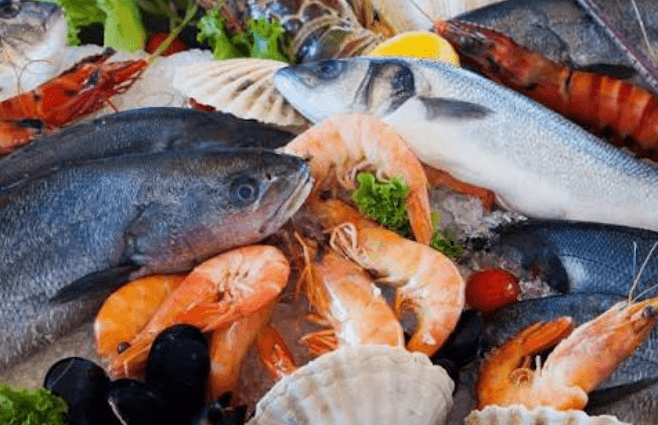
Seafood is a versatile ingredient that can bring variety, flavor, and valuable nutrients to everyday meals. From fish and shrimp to squid and other popular varieties, seafood can be prepared in many different ways. For households and food businesses in Hong Kong, frozen products can also provide a practical option when fresh seafood is not readily available or when longer storage is needed.
Choosing the right product, maintaining the cold chain, and using appropriate preparation methods are important for maintaining quality. Understanding these basic principles can help consumers make better decisions and prepare enjoyable seafood dishes with confidence.
Why Frozen Seafood Can Be a Practical Choice
Fresh seafood is often associated with quality, but frozen options can also be useful for modern households and professional kitchens. Freezing allows seafood to be stored for longer periods while reducing the need to purchase it immediately before every meal.
For busy families, restaurants, and food-service businesses, this convenience can make meal planning easier. A suitable frozen product can remain available when needed, helping reduce unnecessary trips to the market.
Freezing can also provide access to different seafood varieties throughout the year. Seasonal availability does not necessarily have to limit menu planning when properly frozen products are available.
The key is to select products from reliable sources and maintain appropriate storage conditions from purchase through preparation.
Selecting the Right Product
When purchasing seafood, consumers should consider several factors rather than focusing only on price.
Packaging should be intact and suitable for frozen storage. The product should remain properly frozen, and there should be no obvious signs that it has been repeatedly thawed and refrozen.
It is also useful to check the product label for information such as the seafood variety, net weight, storage instructions, and recommended preparation method.
For shoppers looking for frozen seafood having access to a range of products can make it easier to choose ingredients according to the type of meal being prepared.
Understanding the Cold Chain
Temperature control is one of the most important factors in frozen food quality.
Frozen seafood should remain frozen during transportation and storage. When shopping, it is preferable to collect frozen products toward the end of the shopping trip so they spend less time outside controlled temperatures.
Once purchased, frozen seafood should be taken home promptly and placed in an appropriate freezer.
Restaurants and food businesses should have established procedures for receiving and storing frozen products. Staff should understand how frozen items are checked, organized, and rotated.
Maintaining the cold chain helps protect food quality and reduces the risk of improper storage.
Proper Freezer Storage
A well-organized freezer can make seafood easier to manage. Products should be stored according to the instructions on their packaging, with appropriate temperature control.
It is helpful to organize items so older products can be used before newer ones. This approach, often known as first-in, first-out rotation, can help reduce unnecessary food waste.
Packaging should also remain protected from damage. If a package becomes torn or compromised, it should be assessed carefully rather than automatically returned to long-term storage.
Keeping seafood separate from foods that are ready to eat can also help maintain good food-handling practices.
Thawing Seafood Correctly
Thawing is an important stage of preparation. Seafood should generally be thawed using a safe method appropriate for the product and its intended cooking process.
Refrigerator thawing is often a convenient option because it keeps the product under controlled conditions while it gradually defrosts. Depending on the product and cooking method, other safe thawing approaches may also be appropriate.
Leaving seafood at room temperature for extended periods is not a good practice. The goal is to minimize the amount of time food spends in conditions that could encourage unwanted bacterial growth.
Once seafood has been thawed, consumers should follow the package instructions and use it within the recommended timeframe.
Preparing Different Types of Seafood
Different seafood varieties require different cooking approaches.
Fish fillets may be baked, grilled, steamed, or pan-cooked. Shrimp can be sautéed, grilled, boiled, or incorporated into rice and noodle dishes. Squid can be quickly cooked over high heat or prepared through other suitable methods.
The thickness and type of seafood should influence the cooking method. Overcooking can negatively affect texture, particularly with delicate fish and shellfish.
Using simple seasonings can allow the natural flavor of seafood to remain prominent. Garlic, ginger, herbs, citrus, spices, and light sauces can all complement different varieties.
Planning Balanced Meals
Seafood can fit into a wide range of meal styles. It can be paired with vegetables, rice, noodles, potatoes, salads, or whole grains depending on personal preferences.
For a quick weekday meal, a fish fillet with steamed vegetables and rice can be a simple option. Shrimp can also be combined with vegetables and noodles for a fast stir-fry.
Meal planning can make frozen ingredients particularly convenient. A household can keep several suitable products in the freezer and select one based on the day’s menu.
This flexibility can help reduce reliance on takeaway meals while making home cooking easier to organize.
Reducing Food Waste
Frozen products can contribute to better meal planning when stored and portioned appropriately.
If a package contains more seafood than needed for one meal, consumers should consider whether the product can be divided safely before cooking according to its packaging and storage instructions.
Planning meals in advance can also prevent products from remaining forgotten at the back of the freezer.
Food businesses can take this further by monitoring inventory and recording usage patterns. Understanding which products are used most frequently can help kitchens manage purchasing and storage more efficiently.
Hygiene and Kitchen Safety
Good hygiene should be part of every seafood preparation routine.
Hands, cutting boards, knives, counters, and other food-contact surfaces should be cleaned appropriately before and after handling raw seafood.
Raw seafood should also be kept separate from foods that are ready to eat. Separate utensils or thorough cleaning can help reduce the risk of cross-contamination.
After preparation, leftovers should be stored promptly under appropriate conditions rather than being left at room temperature for long periods.
These basic habits are useful for both home kitchens and professional food-service environments.
Making Seafood More Accessible
One of the biggest advantages of frozen seafood is convenience. Consumers do not always have time to shop for fresh ingredients every day, particularly in busy urban environments.
Having properly stored seafood available can make it easier to prepare meals whenever needed. It can also allow households to experiment with different recipes without depending entirely on daily market availability.
For restaurants, frozen products can support menu consistency when managed correctly. Businesses can plan portions, maintain inventory, and prepare popular dishes according to demand.
Choosing a Reliable Supplier
The quality of the supplier can have a major influence on the overall purchasing experience.
Consumers and businesses should look for clear product information, appropriate packaging, suitable storage practices, and reliable delivery procedures.
For professional kitchens, consistent supply can be particularly important. A restaurant may need the same type of seafood regularly to maintain its menu standards.
Rather than focusing on one factor alone, buyers should consider product quality, storage, packaging, consistency, and service when evaluating their options.
See also: What Makes a Solar System Dependable?
FAQs
1. Is frozen seafood convenient for everyday cooking?
Yes. Properly stored frozen seafood can be convenient because it can remain available in the freezer and be prepared when needed.
2. How should frozen seafood be stored?
It should be kept frozen according to the product’s storage instructions. Packaging should remain intact, and freezer organization should allow older products to be used appropriately.
3. What is the best way to thaw seafood?
Thawing should follow the product instructions and use a safe method that keeps the seafood under appropriate temperature control. Refrigerator thawing is often a practical option.
Conclusion
Seafood can be an excellent addition to home and professional menus when it is selected, stored, thawed, and prepared properly. Frozen options provide useful flexibility for people who want convenient access to seafood without needing to purchase it immediately before every meal.
By paying attention to packaging, temperature control, freezer organization, safe thawing, hygiene, and suitable cooking methods, consumers can maintain better quality and create a wide range of enjoyable meals. Good planning and responsible food handling ultimately make seafood easier, safer, and more convenient to include in everyday cooking.
