
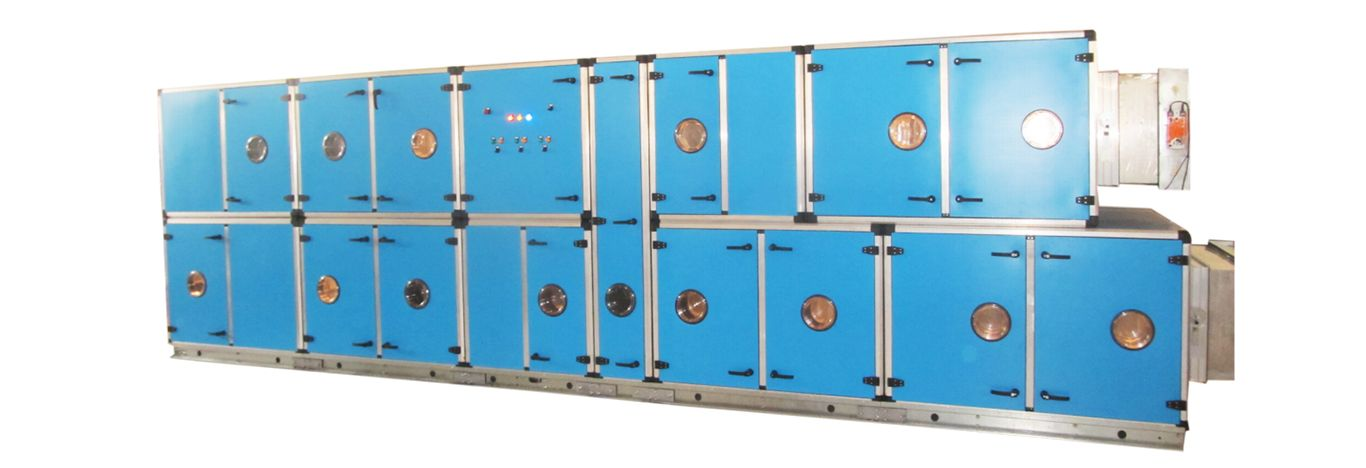
Maintaining clean indoor air is a critical requirement for facilities where air quality directly affects operations, product integrity, and occupant well-being. A hygienic air handling unit is specifically designed to deliver high standards of cleanliness while ensuring efficient air circulation, filtration, and ventilation. Unlike conventional air handling systems, hygienic units are built with specialized materials and designs that reduce contamination risks and simplify maintenance. These systems play an essential role in environments that demand strict hygiene standards and consistent air quality. As industries continue to prioritize health, safety, and energy efficiency, hygienic air handling units have become an integral part of modern HVAC solutions.
What Is a Hygienic Air Handling Unit?
A hygienic air handling unit is an advanced HVAC system designed to supply, filter, condition, and distribute clean air while minimizing the risk of microbial growth and airborne contamination. It combines efficient airflow management with hygienic construction features that support clean and controlled indoor environments. These units are commonly used in facilities where maintaining air purity is essential for operational efficiency and regulatory compliance. Their design focuses on easy cleaning, durable construction, and reliable performance over long operating periods. As a result, they provide a dependable solution for organizations seeking superior indoor air quality.
Understanding the Role of an Air Handling Unit
An air handling unit is responsible for treating and circulating air throughout a building. It works with heating, cooling, ventilation, and filtration components to maintain the desired indoor conditions. By controlling temperature, humidity, and airflow, the system creates a comfortable and healthy indoor environment. Air handling units also help remove airborne particles before the air reaches occupied spaces. This process contributes significantly to improved indoor air quality and efficient building operation.
What Makes an AHU Hygienic?
A hygienic air handling unit includes specialized design elements that distinguish it from standard HVAC equipment. Every component is engineered to prevent dust accumulation, moisture retention, and microbial growth. The internal surfaces are smooth, corrosion resistant, and easy to clean, allowing maintenance teams to perform regular sanitation effectively. Sealed cabinet construction minimizes air leakage while protecting the conditioned air from external contaminants. These features make hygienic AHUs suitable for facilities where air cleanliness cannot be compromised.
Why Hygienic Air Handling Units Are Essential
As industries adopt stricter hygiene standards, HVAC systems must do more than simply regulate temperature. Hygienic air handling units help maintain clean air by reducing contaminants that may affect products, processes, or occupants. Their advanced filtration and hygienic construction improve indoor air quality while supporting long-term operational reliability. These systems also contribute to energy-efficient ventilation without sacrificing cleanliness. Investing in hygienic air handling technology allows organizations to create safer and more controlled environments.
Key Benefits
- Reduces airborne contaminants and particulate matter.
- Supports consistent indoor air quality.
- Minimizes microbial growth within the HVAC system.
- Enhances operational reliability.
- Simplifies inspection and cleaning procedures.
- Promotes compliance with hygiene standards.
- Supports energy-efficient air distribution.
Preventing Airborne Contamination
Airborne contaminants can accumulate within HVAC systems if equipment is not designed for hygienic operation. Hygienic air handling units minimize this risk by incorporating sealed cabinets, smooth internal surfaces, and effective drainage systems. These features reduce areas where dust, moisture, and microorganisms can collect over time. Combined with advanced filtration, the system continuously delivers cleaner air throughout the facility. This proactive approach helps maintain controlled indoor conditions while protecting sensitive environments.
Improving Indoor Air Quality
Indoor air quality directly influences the performance of any commercial or industrial facility. Hygienic AHUs continuously filter incoming air and remove harmful particles before they circulate indoors. Stable airflow, efficient filtration, and proper humidity management work together to create a healthier indoor environment. Cleaner air also contributes to improved HVAC efficiency because components remain free from excessive contamination. This combination of cleanliness and operational performance makes hygienic systems a valuable long-term investment.
Supporting Regulatory Compliance
Many industries operate under strict hygiene and air quality regulations that require reliable HVAC performance. Hygienic air handling units are designed to support compliance by providing cleanable construction, high-quality filtration, and controlled airflow. Their engineering aligns with the requirements of facilities where contamination control is essential. Regular maintenance is also easier because accessible components simplify inspection procedures. This allows organizations to maintain consistent performance while meeting industry expectations.
Key Features of a Hygienic Air Handling Unit
The performance of a hygienic air handling unit depends on the quality of its construction and engineering. Every component is selected to improve cleanliness, durability, and energy efficiency while supporting reliable airflow. These design features reduce contamination risks and simplify maintenance without affecting operational performance. Modern hygienic AHUs are also compatible with advanced ventilation technologies, making them suitable for demanding HVAC applications. In addition, they integrate well with complementary air treatment systems such as a voc concentrator to support cleaner and more efficient indoor environments.
Smooth and Easy-to-Clean Internal Surfaces
Smooth internal panels prevent dust accumulation and allow routine cleaning to be completed more efficiently. Since there are fewer rough surfaces, contaminants have limited opportunities to settle inside the unit. This improves hygiene while reducing the possibility of microbial growth. Clean internal construction also supports long-term equipment performance by preventing unnecessary buildup. As a result, maintenance activities become more effective and less time consuming.
Corrosion-Resistant Construction Materials
Hygienic air handling units are built using durable materials that resist corrosion in demanding operating conditions. These materials maintain their structural integrity even in environments with varying humidity levels. Corrosion resistance also extends the lifespan of the equipment while reducing maintenance requirements. Strong construction helps preserve hygienic conditions throughout the service life of the system. This ensures dependable performance for facilities with continuous HVAC demands.
High-Efficiency Air Filtration Systems
Advanced filtration systems remove fine particles, dust, and airborne contaminants before conditioned air enters occupied spaces. High-efficiency filters help maintain clean airflow while protecting internal HVAC components from excessive contamination. Effective filtration also improves overall indoor air quality and supports cleaner operating conditions. Routine filter replacement ensures the system continues to perform efficiently over time. Selecting the appropriate filtration level is essential for maintaining consistent air quality.
Continued: Key Features of a Hygienic Air Handling Unit
Leak-Proof Cabinet Design
A leak-proof cabinet is one of the most important features of a hygienic air handling unit. Air leakage can reduce system efficiency and allow unfiltered air to enter the conditioned airflow. Hygienic units use tightly sealed panels and precision-engineered joints to maintain consistent air pressure throughout the system. This design improves filtration performance and helps maintain the desired indoor environment. Better sealing also contributes to lower energy consumption by preventing unnecessary air loss.
Efficient Drain Pan Design
Moisture management is essential for maintaining hygienic conditions inside an air handling unit. Hygienic AHUs include properly sloped drain pans that prevent standing water from collecting within the equipment. Efficient drainage reduces the possibility of bacterial growth and keeps internal components dry during operation. Well-designed drainage systems are also easier to inspect and clean as part of routine maintenance. This feature supports long-term reliability while maintaining a cleaner HVAC system.
Antimicrobial and Hygienic Components
Many hygienic air handling units incorporate components that are specifically designed to resist microbial growth. These materials help maintain cleaner internal conditions while supporting consistent system performance. Hygienic insulation, corrosion-resistant hardware, and high-quality seals all contribute to a cleaner airflow path. Combined with proper maintenance, these components reduce contamination risks without affecting operational efficiency. Their durable construction also helps extend the service life of the equipment.
Easy Inspection and Maintenance Access
Routine maintenance is easier when technicians have convenient access to internal components. Hygienic AHUs are designed with accessible inspection panels that simplify cleaning, filter replacement, and system servicing. Easy access encourages regular maintenance, which helps preserve indoor air quality and operational efficiency. Well-planned equipment layouts also reduce service time and minimize operational disruptions. As a result, facilities can maintain high hygiene standards while reducing maintenance complexity.
Industries That Benefit from Hygienic Air Handling Units
A hygienic air handling unit provides reliable air quality management for industries where cleanliness is a critical operational requirement. These systems help maintain controlled indoor environments while supporting efficient ventilation and contamination prevention. Their versatile design allows them to meet the demands of a wide range of commercial and industrial facilities. When integrated with a fresh air handling unit, they further enhance ventilation performance by ensuring a continuous supply of clean and conditioned outdoor air. This combination creates healthier indoor environments while improving overall HVAC efficiency.
Hospitals and Healthcare Facilities
Healthcare facilities require consistently clean air to support patient care and maintain hygienic indoor conditions. Hygienic AHUs help remove airborne contaminants while providing reliable airflow throughout different areas of a facility. Stable temperature and humidity control further contribute to maintaining a comfortable environment. Easy-to-clean construction also supports routine maintenance without compromising hygiene. These features make hygienic AHUs an essential component of healthcare HVAC systems.
Pharmaceutical Manufacturing
Pharmaceutical facilities depend on controlled environmental conditions to maintain product quality and manufacturing consistency. Hygienic air handling units help deliver clean, filtered air while reducing contamination risks throughout production areas. Their specialized design supports strict cleanliness requirements without sacrificing operational efficiency. Reliable airflow management also contributes to process stability and equipment performance. These advantages make hygienic AHUs suitable for pharmaceutical applications.
Food and Beverage Processing
Food processing environments require effective ventilation systems that support cleanliness and product safety. Hygienic AHUs help control airborne particles while maintaining consistent airflow across processing areas. Their corrosion-resistant construction and cleanable surfaces simplify sanitation procedures during routine maintenance. Proper air management also assists with humidity control, helping maintain stable operating conditions. This supports both equipment reliability and overall facility hygiene.
Biotechnology Laboratories
Biotechnology laboratories require highly controlled indoor environments where air quality remains consistent throughout sensitive operations. Hygienic air handling units provide reliable filtration, ventilation, and airflow management while minimizing contamination risks. Their sealed construction helps maintain controlled laboratory conditions over extended operating periods. Easy maintenance also supports regular inspection schedules without affecting system performance. This combination makes hygienic AHUs suitable for research and laboratory applications.
Electronics and Semiconductor Manufacturing
Electronics manufacturing facilities rely on clean indoor environments to protect sensitive components during production. Hygienic AHUs help reduce airborne particles that could interfere with manufacturing processes. Consistent airflow and effective filtration improve environmental stability across production areas. Durable construction also supports long-term reliability under continuous operating conditions. These systems contribute to maintaining high manufacturing standards while improving HVAC performance.
Research and Cleanroom Applications
Research facilities and cleanrooms require carefully controlled air quality to maintain consistent operating environments. Hygienic air handling units provide dependable filtration, airflow regulation, and contamination control for these specialized spaces. Their cleanable construction simplifies routine maintenance while supporting long-term operational efficiency. Reliable humidity and temperature management further improve indoor environmental control. These features make hygienic AHUs an effective solution for advanced research applications.
Hygienic AHU vs Standard Air Handling Unit
Although both systems perform the basic function of conditioning and distributing air, their design priorities are significantly different. A standard air handling unit focuses on general ventilation and comfort, while a hygienic air handling unit emphasizes cleanliness, contamination control, and easy maintenance. Understanding these differences helps organizations choose the most appropriate HVAC solution for their operational requirements.
Major Differences
- Hygienic AHUs use smooth, easy-to-clean internal surfaces.
- Cabinet construction is designed to minimize air leakage.
- Drainage systems prevent standing water accumulation.
- Higher-grade filtration improves indoor air quality.
- Maintenance access is optimized for regular cleaning.
- Construction materials are selected for corrosion resistance.
- Designed to support strict hygiene and cleanliness standards.
Design Differences
Standard air handling units are designed primarily for general commercial ventilation, whereas hygienic AHUs incorporate specialized engineering features that prioritize cleanliness. Smooth interior surfaces, sealed cabinets, and corrosion-resistant materials reduce contamination risks while simplifying maintenance. Every component is selected to improve hygiene without compromising HVAC performance. This design philosophy supports reliable operation in environments where air quality is a critical requirement. The result is a system that delivers cleaner air while remaining efficient over its entire lifecycle.
Maintenance Requirements
Maintenance plays an important role in preserving HVAC performance and indoor air quality. Hygienic air handling units are intentionally designed to simplify routine inspections, cleaning, and filter replacement. Accessible components allow technicians to complete maintenance tasks efficiently while reducing equipment downtime. Cleaner internal construction also minimizes the accumulation of dust and moisture between service intervals. These advantages contribute to improved operational reliability and reduced long-term maintenance effort.
Continued: Hygienic AHU vs Standard Air Handling Unit
Air Quality Performance
The primary objective of a hygienic air handling unit is to maintain superior indoor air quality under demanding operating conditions. Advanced filtration systems remove airborne particles efficiently, while sealed cabinet construction prevents unfiltered air from entering the airflow. Controlled humidity and consistent ventilation further improve environmental stability. These combined features create cleaner indoor spaces that support hygiene-focused operations. Compared to standard AHUs, hygienic systems deliver a higher level of air cleanliness and long-term performance.
Long-Term Operational Benefits
Investing in a hygienic air handling unit offers several long-term advantages beyond improved air quality. Durable construction materials extend the equipment’s lifespan while reducing the need for frequent repairs. Efficient airflow management helps lower operational costs by optimizing HVAC performance. Simplified maintenance also reduces service time and supports consistent system reliability. Over time, these benefits contribute to improved operational efficiency and better overall facility management.
How Hygienic Air Handling Units Improve Energy Efficiency
Modern HVAC systems are expected to provide excellent indoor air quality while minimizing energy consumption. Hygienic air handling units achieve this balance through intelligent engineering, optimized airflow, and efficient component selection. Their design reduces unnecessary energy losses while maintaining reliable ventilation and filtration performance. By operating efficiently over extended periods, these systems help organizations achieve both environmental and operational goals. Energy-efficient HVAC solutions also support sustainable building practices without compromising hygiene standards.
Optimized Airflow Design
An optimized airflow path allows conditioned air to move smoothly through the system with minimal resistance. This reduces the workload on fans and improves overall system efficiency. Proper airflow distribution also ensures that clean air reaches every intended space consistently. Reduced turbulence within the unit helps maintain filtration effectiveness while lowering energy demand. Efficient airflow management is therefore essential for both performance and sustainability.
High-Performance Filtration Without Excessive Energy Loss
Modern filtration technology is designed to capture contaminants while maintaining efficient airflow. High-quality filters remove fine particles without creating unnecessary pressure drops within the HVAC system. This balance helps preserve indoor air quality while preventing excessive fan energy consumption. Selecting the appropriate filtration system allows facilities to maintain hygienic conditions with greater operational efficiency. Regular filter maintenance further supports consistent performance throughout the equipment’s lifespan.
Integration with Energy Recovery Systems
Many hygienic air handling units can be integrated with energy recovery technologies to improve HVAC efficiency. Energy recovery systems transfer thermal energy between incoming and outgoing air streams, reducing the load on heating and cooling equipment. This process helps lower energy consumption while maintaining comfortable indoor conditions. Integration also supports sustainable building operation by maximizing the use of available energy. The result is improved performance without sacrificing indoor air quality.
Lower Lifecycle Costs
Although hygienic air handling units may require a higher initial investment, they often provide lower lifecycle costs through efficient operation and durable construction. Reduced maintenance requirements, longer equipment life, and optimized energy consumption contribute to lower operating expenses over time. Reliable performance also minimizes unexpected downtime and repair costs. These long-term savings make hygienic AHUs a practical investment for organizations focused on operational efficiency. A well-designed system delivers value throughout its service life while maintaining consistent indoor air quality.
Factors to Consider Before Choosing a Hygienic Air Handling Unit
Selecting the right hygienic air handling unit requires careful evaluation of operational needs, environmental conditions, and long-term performance expectations. Every facility has unique ventilation requirements that influence system design and component selection. Understanding these factors helps ensure that the HVAC system delivers reliable performance while supporting hygiene objectives. A properly selected unit will provide efficient airflow, simplified maintenance, and consistent indoor air quality. Considering these aspects before installation leads to better long-term results.
Application Requirements
Different facilities require different levels of hygiene, airflow, and environmental control. Identifying the specific application helps determine the appropriate AHU configuration and performance requirements. Factors such as occupancy, process sensitivity, and ventilation demands should all be considered during system selection. Matching the equipment to the intended application ensures efficient operation and reliable long-term performance. Proper planning also helps avoid unnecessary system modifications in the future.
Airflow Capacity
Choosing the correct airflow capacity is essential for maintaining consistent indoor conditions. A system that is too small may struggle to meet ventilation demands, while an oversized unit can waste energy. Accurate airflow calculations help optimize HVAC performance and improve overall efficiency. Proper sizing also contributes to balanced air distribution throughout the facility. This ensures that the hygienic air handling unit operates as intended under varying conditions.
Filtration Requirements
Filtration is one of the most important aspects of any hygienic HVAC system. The selected filtration level should align with the cleanliness requirements of the facility while maintaining efficient airflow. High-efficiency filters improve indoor air quality by capturing fine particles before they circulate indoors. Routine maintenance and timely filter replacement help preserve system performance over time. Selecting the right filtration solution ensures long-term operational reliability.
Material Selection
The construction materials used in a hygienic air handling unit influence both durability and cleanliness. Corrosion-resistant materials provide reliable performance even in demanding environments with varying humidity levels. Smooth internal surfaces simplify cleaning and reduce contaminant accumulation during operation. Durable materials also extend equipment lifespan while minimizing maintenance requirements. Choosing high-quality construction materials contributes to dependable HVAC performance for many years.
Compliance with Industry Standards
A hygienic air handling unit should support applicable hygiene, ventilation, and indoor air quality requirements. Equipment designed to meet recognized standards provides greater confidence in long-term performance and reliability. Compliance also simplifies facility maintenance by ensuring that the HVAC system aligns with industry expectations. Organizations should review product specifications carefully before making a purchasing decision. Selecting compliant equipment helps maintain operational consistency throughout the system’s lifecycle.
Maintenance Accessibility
Easy maintenance is essential for preserving the efficiency and hygiene of any HVAC system. Hygienic AHUs are designed with accessible panels that simplify inspection, cleaning, and component replacement. Convenient access reduces maintenance time while encouraging routine servicing. Regular maintenance helps sustain indoor air quality and extends equipment life. A system designed for easy servicing delivers better long-term value and consistent performance.
Why Choose DRI Rotors for Hygienic Air Handling Units?
Choosing the right manufacturer is just as important as selecting the right HVAC equipment. DRI Rotors combines engineering expertise with advanced manufacturing capabilities to deliver hygienic air handling solutions that meet demanding industry requirements. Every system is designed with a focus on efficiency, durability, and reliable indoor air quality. By emphasizing innovation and performance, DRI Rotors supports organizations looking for dependable HVAC solutions. To learn more about customized hygienic air handling solutions, contact Desiccant Rotors International.
Engineering Expertise
DRI Rotors develops HVAC solutions using advanced engineering principles and industry knowledge. Every hygienic air handling unit is designed to deliver efficient airflow, dependable performance, and simplified maintenance. Attention to product quality ensures that systems perform consistently across a wide range of applications. Continuous innovation also supports evolving industry requirements. This engineering-focused approach results in reliable long-term performance.
Customized HVAC Solutions
Every facility has unique ventilation requirements, and DRI Rotors provides solutions that can be tailored to meet specific operational needs. Customized system designs help optimize airflow, filtration, and energy efficiency for different environments. Flexible engineering also allows seamless integration with existing HVAC infrastructure. This ensures that organizations receive solutions aligned with their performance objectives. Customized designs contribute to improved operational efficiency and long-term value.
Continued: Why Choose DRI Rotors for Hygienic Air Handling Units?
High-Quality Manufacturing
DRI Rotors follows stringent manufacturing practices to produce hygienic air handling units that deliver reliable and consistent performance. Every component is carefully selected to ensure durability, corrosion resistance, and long service life. Precision manufacturing helps maintain structural integrity while supporting efficient airflow throughout the system. High-quality construction also simplifies routine maintenance and contributes to dependable operation. This commitment to quality enables organizations to invest in HVAC solutions that perform efficiently for years.
Focus on Energy Efficiency and Sustainability
Energy efficiency is a key consideration for modern HVAC systems, and DRI Rotors designs its solutions to support sustainable building operations. Hygienic air handling units are engineered to optimize airflow while minimizing unnecessary energy consumption. Efficient components and intelligent system design help reduce operating costs without compromising indoor air quality. These systems also integrate well with advanced ventilation and energy recovery technologies. As a result, organizations can achieve both environmental and operational objectives through a reliable HVAC solution.
Reliable Support for Critical Applications
Critical facilities require HVAC systems that deliver consistent performance every day. DRI Rotors provides dependable hygienic air handling solutions supported by technical expertise and a commitment to product excellence. Reliable engineering helps maintain stable indoor environments across demanding applications. Durable construction and simplified maintenance further contribute to long-term operational performance. This combination makes DRI Rotors a trusted partner for organizations seeking advanced hygienic ventilation solutions.
Conclusion
A hygienic air handling unit is an essential investment for facilities that require clean, reliable, and energy-efficient air management. Its specialized construction, advanced filtration, and maintenance-friendly design help maintain superior indoor air quality while reducing contamination risks and improving operational efficiency. Compared to conventional HVAC systems, hygienic AHUs provide greater reliability, longer service life, and better support for environments where cleanliness is a priority.
By carefully evaluating airflow requirements, filtration needs, construction quality, and long-term operational goals, organizations can select a system that delivers consistent performance for years to come. Partnering with an experienced manufacturer such as DRI Rotors ensures access to advanced engineering, dependable manufacturing, and customized HVAC solutions designed to meet the evolving demands of modern industries.
Frequently Asked Questions
1. What is a hygienic air handling unit?
A hygienic air handling unit is an HVAC system designed to deliver clean, filtered, and conditioned air while minimizing the risk of contamination. It features smooth internal surfaces, corrosion-resistant materials, leak-proof construction, and high-efficiency filtration to maintain superior indoor air quality in hygiene-sensitive environments.
2. Where are hygienic air handling units commonly used?
Hygienic air handling units are widely used in healthcare facilities, pharmaceutical manufacturing plants, food and beverage processing units, biotechnology laboratories, research facilities, electronics manufacturing, and cleanrooms. These industries require controlled environments where air quality is a critical operational requirement.
3. How is a hygienic AHU different from a standard AHU?
A hygienic AHU is specifically designed to reduce contamination through easy-to-clean surfaces, sealed construction, advanced drainage systems, and enhanced filtration. A standard AHU focuses primarily on temperature and ventilation, while a hygienic unit emphasizes cleanliness, maintenance accessibility, and indoor air quality.
4. Do hygienic air handling units improve energy efficiency?
Yes. Hygienic air handling units are designed with optimized airflow paths, efficient filtration systems, and compatibility with energy recovery technologies. These features reduce unnecessary energy losses while maintaining excellent ventilation and air quality, resulting in improved operational efficiency.
5. What factors should be considered when selecting a hygienic air handling unit?
Important considerations include:
- Required airflow capacity
- Indoor air quality objectives
- Filtration efficiency
- Construction materials
- Maintenance accessibility
- Energy efficiency
- Compliance with applicable hygiene and HVAC standards
Choosing the right combination of these factors helps ensure reliable long-term performance.
