
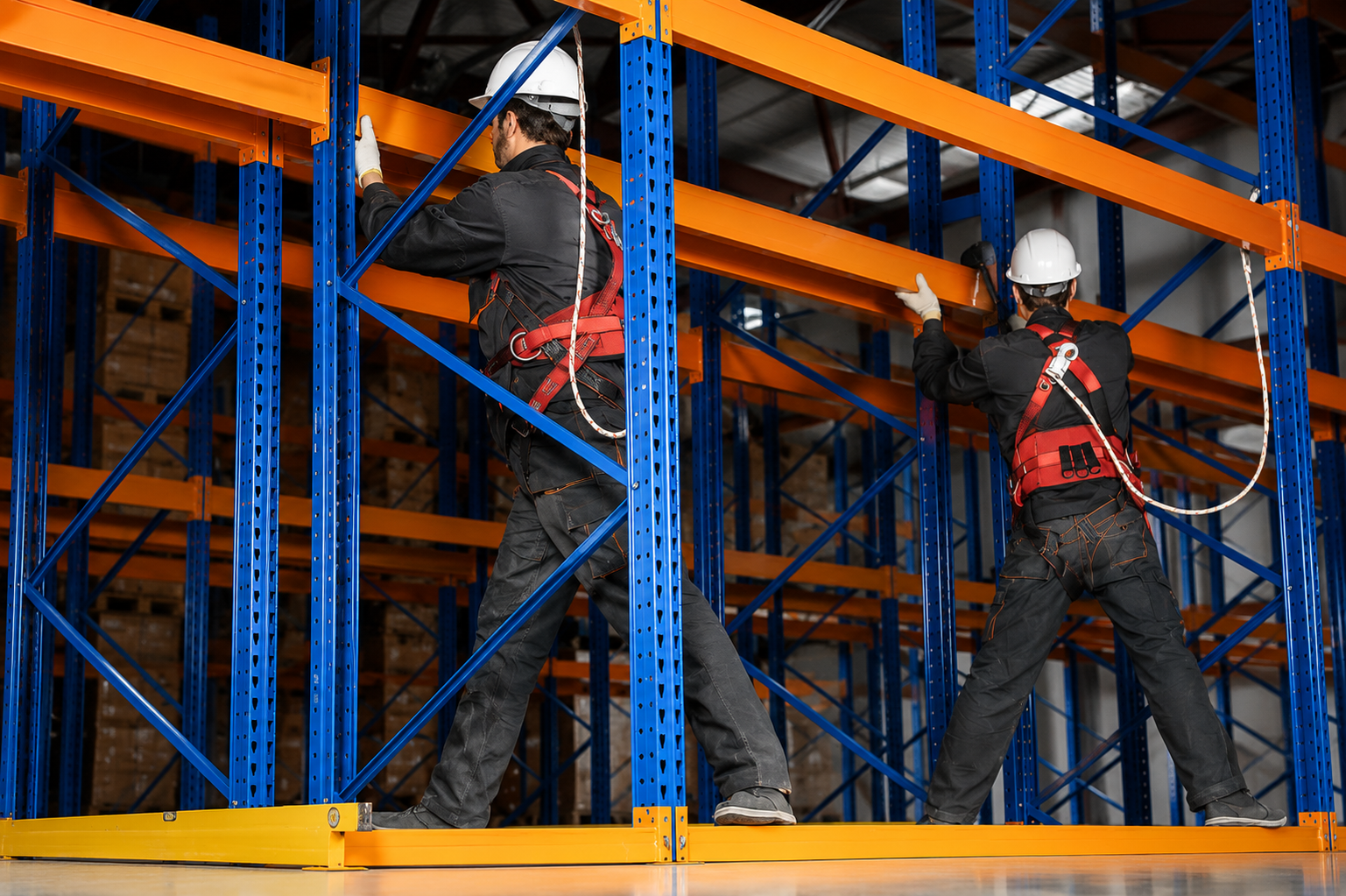
Every commercial property depends on properly installed systems, equipment, and fixtures to operate efficiently. Whether setting up a new office, renovating a retail store, or expanding a warehouse, choosing commercial installation services ensures every component is installed correctly, safely, and according to industry standards. Professional installation reduces costly errors, improves operational efficiency, and creates a workspace that supports long-term business success.
Businesses often invest heavily in equipment and infrastructure, but without expert installation, even the highest-quality products may not perform as expected. Working with experienced professionals helps protect that investment while ensuring projects stay on schedule and within compliance requirements.
Why Professional Commercial Installation Matters
Commercial properties involve more complexity than residential spaces. Large-scale projects require detailed planning, technical expertise, and careful coordination among different trades.
Professional installers understand these challenges and follow structured processes that minimize disruptions while maintaining quality standards. Their experience helps businesses avoid unnecessary delays, safety hazards, and expensive repairs after installation.
Proper planning also allows businesses to continue operations with minimal downtime, which is especially important for retail stores, offices, healthcare facilities, and industrial environments.
See also: What You’re Actually Paying For When You Buy ED Treatment Online
Benefits of Hiring Professional Installation Experts
Businesses receive several advantages when experienced installation specialists manage their projects.
Improved Safety
Commercial installations often involve heavy equipment, electrical systems, shelving, machinery, and specialized fixtures. Proper installation ensures everything is securely positioned and complies with workplace safety requirements.
Safe installations help reduce accidents involving employees, customers, and visitors.
Better Efficiency
Professionals complete projects using proven methods and appropriate equipment. Their expertise allows installations to be completed accurately the first time, reducing unnecessary rework and project delays.
Efficient installation also allows businesses to begin operations sooner.
Long-Term Reliability
Correct installation extends the lifespan of commercial equipment and fixtures. Components that are properly aligned, secured, and tested experience less wear over time, lowering maintenance costs and improving operational reliability.
Reduced Business Disruption
Experienced teams carefully organize project schedules to minimize interruptions to normal business activities. Many installations can even be completed outside regular operating hours when necessary.
Common Types of Commercial Installation Projects
Commercial buildings require installation services across many industries.
Office Installations
Modern offices require the installation of:
- Office furniture
- Workstations
- Conference room equipment
- Storage systems
- Display units
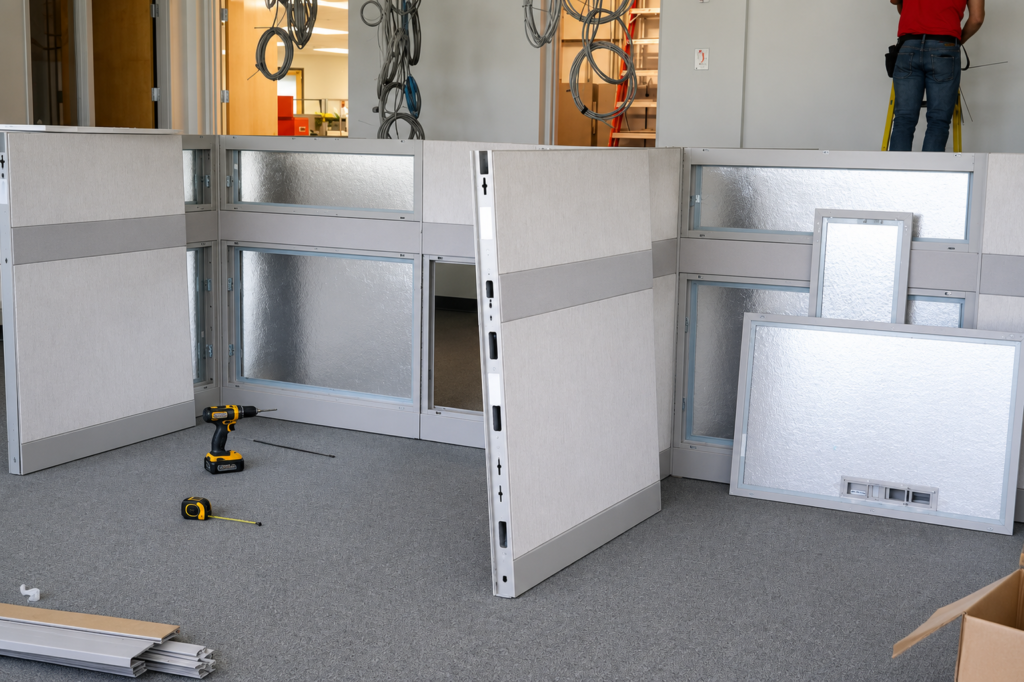
- Modular partitions
Proper installation creates organized work environments that improve productivity and employee comfort.
Retail Store Installations
Retail businesses frequently install:
- Display shelving
- Product fixtures
- Checkout counters
- Security equipment
- Signage
- Storage solutions
Well-installed retail systems improve customer experiences while maximizing available floor space.
Industrial Facilities
Manufacturing plants and warehouses often require installation of:
- Industrial shelving
- Conveyor systems
- Heavy equipment
- Storage racks
- Safety barriers
- Workstations
These installations require specialized knowledge because industrial environments demand high precision and strict safety practices.
Hospitality and Healthcare
Hotels, restaurants, and healthcare facilities depend on professional installation for furniture, equipment, kitchen systems, medical fixtures, and specialized operational equipment.
Accuracy is particularly important in these industries because installations directly affect customer service and operational performance.
Planning a Successful Commercial Installation Project
Every successful installation begins with detailed planning.
Site Assessment
Before installation begins, professionals inspect the property to evaluate:
- Available space
- Structural conditions
- Accessibility
- Existing systems
- Utility connections
- Safety considerations
This assessment identifies potential challenges before work starts.
Project Scheduling
Commercial projects often require coordination between multiple contractors and departments.
Creating a clear installation schedule helps:
- Reduce downtime
- Improve communication
- Prevent scheduling conflicts
- Maintain project deadlines
Businesses benefit from knowing exactly when each phase will be completed.
Equipment Preparation
Verifying equipment dimensions, compatibility, and installation requirements before arrival prevents unexpected delays during the installation process.
Proper preparation also allows installers to bring the correct tools and materials.
The Value of Skilled Installation Teams
Professional installers bring technical knowledge that goes beyond simply assembling products.
Experienced teams understand:
- Manufacturer installation guidelines
- Building regulations
- Safety standards
- Equipment calibration
- Structural requirements
- Quality control procedures
Their expertise helps businesses avoid common installation mistakes that may lead to expensive repairs later.
Many businesses also benefit from commercial installation and assembly services, where installation professionals handle both product assembly and final placement, reducing the need to coordinate multiple contractors.
Technology Is Improving Commercial Installations
Modern technology has significantly improved commercial installation processes.
Digital planning software allows installers to:
- Measure spaces accurately
- Create installation layouts
- Identify conflicts before work begins
- Improve scheduling
- Track project progress
Advanced tools also improve installation precision while reducing human error.
Businesses benefit from faster project completion and improved overall quality.
How Proper Installation Supports Business Growth
Commercial spaces evolve as businesses expand.
Professional installation provides flexibility for future growth by ensuring systems are organized, scalable, and properly documented.
Businesses can more easily add:
- Additional workstations
- Storage systems
- Equipment
- Technology upgrades
- Interior modifications
This adaptability reduces future renovation costs while supporting changing operational needs.
Choosing the Right Installation Partner
Selecting the right installation provider plays a major role in project success.
Businesses should consider:
- Industry experience
- Qualified installation teams
- Safety practices
- Project management capabilities
- Clear communication
- Positive client references
A reliable provider delivers consistent quality while helping businesses stay on schedule and within project expectations.
Some organizations also require ongoing maintenance support after installation, making long-term partnerships especially valuable.
In addition, companies offering commercial handyman services can assist with smaller repairs, adjustments, and maintenance tasks after major installation projects have been completed.
Avoiding Common Installation Mistakes
Poor planning and inexperienced installation often create unnecessary problems.
Common mistakes include:
- Incorrect measurements
- Improper equipment placement
- Weak structural support
- Missed safety requirements
- Inadequate testing
- Poor coordination between contractors
Working with experienced professionals helps eliminate these issues before they become costly business problems.
Thorough inspections and testing should always be completed before the project is considered finished.
Sustainability in Commercial Installations
Many businesses are adopting environmentally responsible installation practices.
Sustainable installation methods include:
- Reducing material waste
- Recycling packaging materials
- Using energy-efficient equipment
- Installing reusable modular systems
- Selecting durable materials
These practices support long-term operational efficiency while reducing environmental impact.
Professional installers can also recommend solutions that improve energy performance and reduce future operating costs.
The Future of Commercial Installations
Commercial environments continue to evolve with changing technology and workplace expectations.
Future installation projects will increasingly involve:
- Smart building technology
- Automated equipment
- Flexible office layouts
- Advanced security systems
- Energy-efficient infrastructure
- Integrated digital workspaces
Installation professionals will continue adapting their skills to meet these changing business needs while maintaining high standards of quality and safety.
Businesses that invest in professional installation today position themselves for smoother upgrades and long-term operational success.
Conclusion
Professional commercial installation services play a critical role in creating safe, efficient, and productive commercial environments. From offices and retail stores to industrial facilities and healthcare spaces, expert installation ensures equipment, fixtures, and systems perform as intended while supporting long-term business goals.
Careful planning, experienced installation teams, and attention to quality help businesses reduce downtime, improve safety, and protect valuable investments. By choosing knowledgeable professionals, organizations can complete projects with confidence and build commercial spaces prepared for future growth and continued success.
