
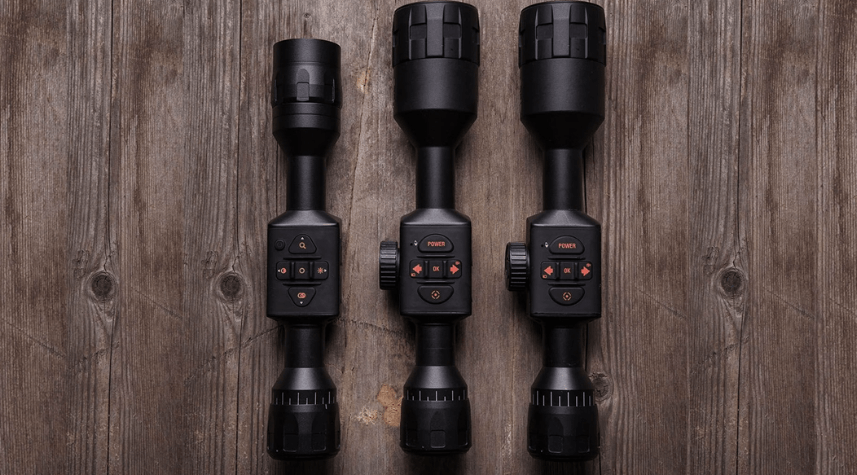
Thermal imaging rifle scopes represent one of the more technically sophisticated product categories within the broader optics manufacturing industry. Understanding what happens inside a genuinely capable thermal rifle scope factory helps buyers appreciate the complexity involved and better evaluate potential manufacturing partners.
The Manufacturing Complexity of Thermal Technology
Combining Optical and Electronic Manufacturing Disciplines
Unlike traditional rifle scopes, which primarily involve optical and mechanical engineering, thermal scope manufacturing requires integrating sophisticated electronic sensor technology and image processing systems alongside conventional optical and mechanical components.
Cleanroom Requirements for Sensor Integration
Thermal sensors are sensitive components that require controlled manufacturing environments during integration to prevent contamination or damage that could compromise final image quality and device reliability.
Key Production Stages Within Thermal Scope Manufacturing
Sensor Sourcing and Verification
Given that sensor quality fundamentally determines thermal imaging performance, factories must maintain rigorous incoming inspection processes to verify that sensor components meet required specifications before integration into the final assembly process.
Software Integration and Calibration
Thermal scopes require careful software calibration to ensure accurate temperature differential rendering and appropriate image processing performance across varying environmental conditions, representing a manufacturing stage with no direct equivalent in traditional optical scope production.
Housing Assembly and Environmental Sealing
Despite the added electronic complexity, thermal scopes still require robust housing construction and environmental sealing comparable to traditional rifle scopes, protecting sensitive internal electronics from moisture, dust, and physical impact.
Testing Protocols Unique to Thermal Manufacturing
Thermal Performance Verification
Beyond standard shock and waterproof testing, thermal scopes require specific verification of detection and recognition range performance under controlled testing conditions, ensuring marketed specifications genuinely reflect real-world capability.
Extended Temperature Range Testing
Since thermal sensors can be sensitive to extreme ambient temperatures, thorough testing across a wide temperature range helps verify consistent performance across the varied conditions in which hunters and shooters actually operate this equipment.
Balancing Innovation With Manufacturing Reliability
Staying Current With Sensor Technology Advancement
Thermal sensor technology continues to advance rapidly, and factories committed to incorporating current-generation sensor technology, rather than relying on outdated components, typically deliver more competitive final products.
Maintaining Consistency Across Production Batches
Given the technical complexity involved, maintaining consistent calibration and performance across large production batches requires particularly disciplined quality control processes within thermal scope manufacturing operations.
Buyers interested in learning more about thermal manufacturing capabilities can review information through thermal rifle scope factory resources detailing production processes and available product offerings.
Supporting Brand Partners in the Thermal Category
Providing Technical Guidance for Newer Market Entrants
Given the technical complexity of thermal imaging technology, manufacturers who provide genuine technical guidance and education support brand partners less familiar with this specialized category in making informed product decisions.
Helping Brands Position Products Appropriately
Manufacturers with genuine thermal expertise can help brand partners avoid overpromising performance capabilities that might not align with actual product specifications, protecting long-term brand credibility with end customers.
The Growing Accessibility of Thermal Technology
Declining Costs Expanding Market Access
As thermal sensor technology has matured and production scale has increased, overall costs have gradually declined, expanding the potential customer base for thermal imaging products beyond historically niche professional and high-end recreational segments.
Implications for Product Line Planning
This growing accessibility creates opportunities for brands to introduce thermal products across a wider range of price tiers, though maintaining genuine performance standards remains essential even at more accessible price points.
Frequently Asked Questions
What manufacturing capabilities distinguish thermal scope production from traditional optical scope manufacturing? Thermal scope manufacturing requires integrating sophisticated electronic sensor technology and software calibration alongside traditional optical and mechanical engineering disciplines.
Why is temperature range testing particularly important for thermal scopes? Thermal sensors can be sensitive to extreme ambient temperatures, making thorough testing across varied conditions important for verifying consistent real-world performance.
Is thermal imaging technology becoming more accessible in terms of pricing? Yes, declining sensor costs and increased production scale have gradually expanded thermal technology accessibility beyond historically niche, high-cost market segments.
See also: What Is Decentralized Identity?
Conclusion
Understanding the manufacturing complexity behind a genuinely capable thermal rifle scope factory helps buyers appreciate why this category demands specialized expertise beyond traditional optical scope manufacturing. Partnering with manufacturers who demonstrate genuine thermal technology capability supports stronger, more reliable product offerings in this growing market segment.
