
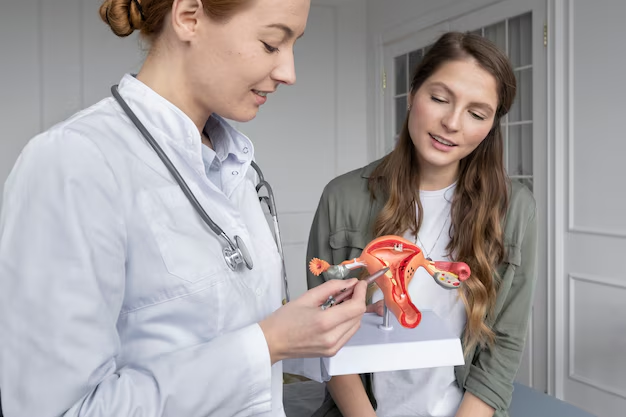
Living with fibroids can affect your comfort, confidence, and overall quality of life. If you have been searching for uterine fibroid treatment, understanding today’s medical options can help you make informed decisions about your health. At Seamless, we believe every woman deserves access to reliable information and personalized care that supports long term wellness. Whether your symptoms are mild or more disruptive, learning about available treatments is the first step toward feeling your best.
Understanding Uterine Fibroids
Uterine fibroids are noncancerous growths that develop in or around the uterus. They are very common and can vary greatly in size, number, and location. While some women never notice symptoms, others may experience discomfort that affects their daily routines.
Common symptoms may include:
- Heavy menstrual bleeding
- Pelvic pressure or pain
- Frequent urination
- Lower back discomfort
- Pain during physical activity
- Difficulty with fertility in some cases
Every person’s experience is different, which is why proper medical evaluation is important before choosing a treatment plan.
See also: Precision Blending Services to Extend Turbine Component Life
Why Early Diagnosis Matters
Recognizing symptoms early allows healthcare providers to monitor fibroids before they become more challenging to manage. A thorough evaluation typically includes a physical examination, imaging tests, and a discussion about your symptoms and medical history.
Early diagnosis can help:
- Prevent worsening symptoms
- Support reproductive health goals
- Improve treatment planning
- Reduce discomfort and lifestyle limitations
Seeking professional care early often provides more treatment choices and better outcomes.
Modern Approaches to Managing Fibroids
Today’s medical advancements have expanded the range of treatment options available. The right approach depends on factors such as the size and location of the fibroids, symptom severity, age, and future pregnancy plans.
Medication Management
Some medications help control symptoms rather than eliminate fibroids. These treatments may reduce heavy bleeding, ease pelvic pain, or temporarily shrink fibroids before another procedure.
Your healthcare provider will recommend medications based on your individual health needs and treatment goals.
Minimally Invasive Procedures
Many women now choose minimally invasive techniques that require smaller incisions and allow for faster recovery compared to traditional surgery.
These procedures are designed to:
- Target fibroids with greater precision
- Preserve healthy uterine tissue when appropriate
- Minimize discomfort
- Support a quicker return to daily activities
Not every patient is a candidate for minimally invasive care, making a personalized evaluation essential.
Surgical Treatment
In some situations, surgery remains the most effective solution. Depending on your condition and reproductive goals, your physician may recommend removing only the fibroids or treating the uterus more comprehensively.
A detailed consultation helps determine which option aligns with your health priorities.
Choosing the Right Uterine Fibroid Treatment
Selecting the best uterine fibroid treatment is not a one size fits all decision. Every woman has unique symptoms, medical history, and future plans that influence treatment recommendations.
When discussing options with your healthcare provider, consider:
- The severity of your symptoms
- Fibroid size and location
- Overall reproductive health
- Lifestyle preferences
- Long term wellness goals
An individualized treatment strategy often provides the best balance between symptom relief and overall health.
Lifestyle Habits That Support Women’s Health
Although lifestyle changes cannot eliminate fibroids, healthy daily habits may help support overall wellness and complement medical care.
Helpful habits include:
- Eating a balanced diet rich in fruits and vegetables
- Staying physically active
- Managing stress effectively
- Getting adequate sleep
- Attending regular gynecological checkups
These practices contribute to better overall health while supporting your treatment journey.
When You Should See a Specialist
Some symptoms should never be ignored, especially if they interfere with everyday life. Medical attention is recommended if you experience persistent discomfort or changes in your menstrual cycle.
Signs that deserve professional evaluation include:
- Very heavy menstrual bleeding
- Ongoing pelvic pain
- Rapid abdominal enlargement
- Frequent urination without infection
- Difficulty becoming pregnant
Prompt evaluation allows healthcare providers to identify the cause and recommend appropriate care before symptoms progress.
What to Expect During Your Consultation
Meeting with a women’s health specialist is an opportunity to discuss your symptoms openly and understand the available treatment options. Your provider will review your medical history, perform necessary evaluations, and explain which treatments may be most suitable for your situation.
You should feel comfortable asking questions about expected outcomes, recovery, future reproductive plans, and any concerns related to your overall health. Clear communication helps create a treatment plan tailored to your individual needs.
Looking Ahead With Confidence
Medical advancements continue to improve the way fibroids are diagnosed and treated, giving women more choices than ever before. Personalized care, accurate diagnosis, and modern treatment techniques make it possible for many women to manage symptoms effectively while maintaining an active lifestyle.
Understanding your condition empowers you to make informed healthcare decisions and work closely with your provider to achieve the best possible outcome.
Conclusion
Choosing the right care begins with understanding your options and seeking guidance from experienced healthcare professionals. If you are exploring uterine fibroid treatment, the team at Seamless is committed to providing compassionate support and personalized care tailored to your unique needs. Contact us today to schedule a consultation and take the next step toward improved health, greater comfort, and renewed confidence.
