
Among the range of non-surgical skin treatment options available today, Ultherapy has gained particular attention for its use of ultrasound technology to address skin laxity without the downtime associated with surgical alternatives. Understanding how this treatment actually works, and what realistic outcomes look like, helps prospective patients make more informed decisions. This article explores the technology and treatment process behind Ultherapy.
The Ultrasound Technology Behind the Treatment
Ultherapy uses focused ultrasound energy to reach specific depths beneath the skin’s surface, targeting the same structural layers addressed in traditional surgical facelift procedures, but without the incisions or downtime associated with surgical intervention.
See also: How Businesses Can Get More Value From a Market Research Platform
How the Treatment Stimulates Natural Collagen Production
Rather than providing an immediate physical lifting effect, Ultherapy works by stimulating the body’s natural collagen production process in the treated areas, meaning that visible results typically develop gradually over the weeks and months following treatment as the body’s own collagen renewal process takes effect.
What the Treatment Process Typically Involves
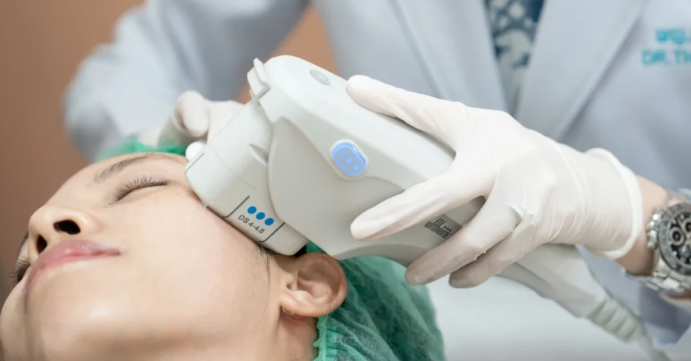
An Ultherapy session typically involves a trained practitioner using a specialized device to deliver focused ultrasound energy to targeted areas of the face or body, guided by real-time imaging that allows precise targeting of the appropriate tissue depth for optimal results.
Setting Realistic Expectations for Results
Because Ultherapy works through stimulating natural collagen production rather than providing immediate mechanical lifting, patients should understand that visible improvement typically develops gradually over two to three months following treatment, rather than expecting the kind of immediate dramatic change associated with surgical procedures. Those considering this treatment can learn more about the ultherapy process and what realistic treatment outcomes typically involve.
Who Tends to Be a Suitable Candidate
Ultherapy is generally best suited to individuals experiencing mild to moderate skin laxity, rather than more significant sagging that might be better addressed through surgical intervention, making a proper consultation with a qualified practitioner important for determining whether this particular treatment aligns with your specific skin concerns and goals.
Considerations Before Booking a Treatment
As with any aesthetic treatment, choosing a qualified, experienced practitioner who uses genuine, properly maintained equipment is important both for treatment safety and for achieving the kind of results the technology is genuinely capable of delivering, and prospective patients should feel comfortable asking about practitioner training and experience before proceeding.
Frequently Asked Questions
How soon after Ultherapy treatment will I see visible results? Results typically develop gradually over two to three months as the body’s natural collagen production process responds to treatment, rather than appearing immediately after the session.
Is Ultherapy a replacement for a surgical facelift? Ultherapy is generally suited to mild to moderate skin laxity and works differently than surgical intervention, making it a different option rather than a direct equivalent replacement for surgical procedures addressing more significant sagging.
Is there downtime required after an Ultherapy treatment? Ultherapy is generally associated with minimal downtime compared to surgical alternatives, though individual experiences can vary, and discussing this with your practitioner beforehand helps set appropriate expectations.
Conclusion
Ultherapy offers a genuinely distinctive non-surgical approach to addressing skin laxity through ultrasound-stimulated natural collagen production, though understanding the gradual nature of results and appropriate candidacy is important for setting realistic expectations. Consulting with a qualified, experienced practitioner remains the best way to determine whether this treatment aligns with your specific skin concerns and goals.
