
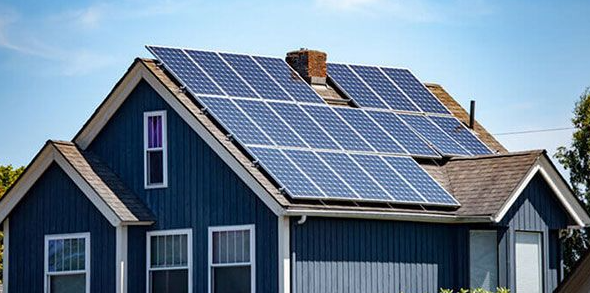
A successful renewable-energy project requires more than installing photovoltaic modules on a roof. The complete system must be designed around energy requirements, environmental conditions, electrical infrastructure, and long-term maintenance.
As solar adoption grows, consumers are increasingly comparing equipment suppliers and technology options. Understanding the basic factors that influence solar-system quality can help buyers avoid decisions based only on price.
Solar Modules as Part of a Larger System
Photovoltaic modules are among the most visible parts of a solar installation, but they are only one component.
A complete system can include:
- Solar modules
- Inverters
- Mounting structures
- DC and AC cables
- Electrical protection
- Monitoring equipment
- Batteries where applicable
All of these components must be selected and integrated correctly.
Evaluating Manufacturers
When comparing solar panel manufacturers, buyers should examine the company’s technical capabilities and manufacturing standards.
Important questions may include:
- How long has the manufacturer operated?
- What quality-control procedures are used?
- Which certifications are available?
- What warranties are provided?
- What technical documentation is available?
- Is after-sales support accessible?
A manufacturer’s reputation can be useful, but technical evidence should also be considered.
See also: Understanding Ultherapy: How Non-Surgical Skin Lifting Works
Understanding Efficiency
Solar efficiency describes how effectively a module converts available sunlight into electricity.
Higher efficiency can be particularly useful when installation space is limited. However, a project should not select modules solely because they have the highest efficiency rating.
Temperature coefficient, degradation, warranty, physical dimensions, and system compatibility can also affect practical performance.
Environmental Durability
Outdoor solar modules are exposed to changing environmental conditions throughout their operating life.
Rain, humidity, wind, heat, dust, and sunlight can all affect equipment. In coastal regions, salt exposure may introduce additional considerations.
A suitable module should be selected according to the environmental conditions expected at the installation site.
Importance of the Inverter
The inverter converts the electricity generated by photovoltaic modules into a form that can be used by electrical equipment or supplied to the grid.
Its performance can therefore have a significant influence on the complete system.
The inverter should be appropriately sized and compatible with the photovoltaic array. Monitoring features can also help operators understand how the system is performing.
Installation Quality
Even excellent equipment cannot compensate for poor installation.
Mounting structures must be securely installed, cables should be routed appropriately, electrical connections should meet applicable requirements, and the system should be commissioned correctly.
Professional installation can also help protect equipment against avoidable mechanical and electrical problems.
Monitoring and Maintenance
Modern solar systems can solar panel manufacturers often be monitored digitally. Monitoring can provide information about energy production and help identify unusual changes.
Maintenance requirements vary according to system design and environmental conditions. Periodic inspections can identify issues such as damaged cables, dirt accumulation, loose components, or physical deterioration.
Keeping records of inspections and production data can help operators evaluate long-term performance.
Financial Evaluation
Solar investments should be evaluated over their expected operating life.
Factors can include:
- Equipment cost
- Installation cost
- Expected electricity generation
- Maintenance
- Financing
- Warranty
- Energy prices
- System degradation
A realistic financial model provides a better foundation for decision-making than a simple comparison of purchase prices.
FAQs
What is the most important factor when choosing solar equipment?
There is no single factor. Quality, efficiency, durability, warranty, compatibility, and supplier reliability should all be evaluated together.
Does installation quality affect solar performance?
Yes. Electrical, structural, and installation errors can reduce performance and create safety or maintenance issues.
How can system performance be monitored?
Many modern systems include monitoring platforms that track energy generation and operating information.
Conclusion
A dependable solar installation is the result of careful equipment selection, professional design, proper installation, and ongoing monitoring. Solar modules are important, but their performance depends on how effectively they work with the rest of the system.
By evaluating suppliers, technology, environmental conditions, installation quality, and long-term economics, buyers can build renewable-energy systems designed for reliable operation.
