
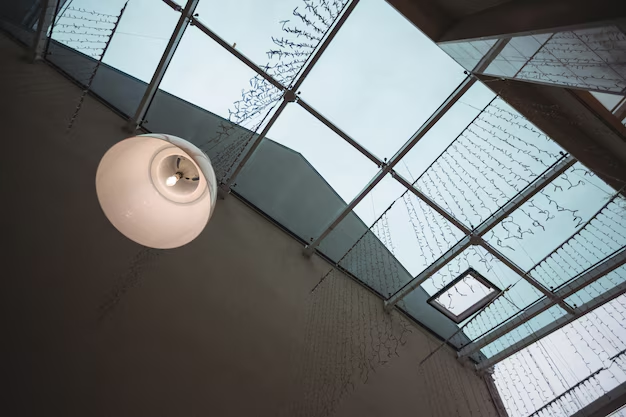
Adding natural light to a dark hallway, kitchen, extension, loft, or commercial space can change how the room feels without requiring major changes to the layout. Rooflights are a practical way to introduce daylight from above, but choosing the right product requires more thought than simply selecting a size and placing an order. With options ranging from fixed roof windows to opening rooflights and roof lanterns, buyers need to consider the roof structure, glazing, dimensions, installation method, and energy performance. For homeowners researching options, Skylights Roof Lanterns provides useful inspiration, while those ready to buy rooflights online should first establish exactly what their roof and room require.
Start With the Roof Structure
The existing roof should guide the choice of rooflight rather than the other way around. Flat roofs, pitched roofs, tiled roofs, and membrane-covered roofs may require different products and installation details.
Flat rooflights are commonly used on extensions, garages, kitchens, and contemporary home additions. Pitched roof windows are generally designed to sit within sloping roof structures and may be available in different configurations.
Check the roof construction before ordering. The position of rafters, joists, insulation, and existing roof coverings can affect the available opening. A rooflight that looks suitable on a product page may not be appropriate for the intended location without structural adjustments.
Measure the Opening Carefully
Accurate measurements prevent one of the most frustrating problems with online purchases: ordering a rooflight that does not fit the prepared opening.
Measure the width and length of the available opening, then check the manufacturer’s sizing information. Do not assume that the advertised external dimensions represent the required structural opening. Manufacturers may specify separate measurements for the frame, upstand, roof opening, or glazing area.
It can also help to measure the same area more than once. If the dimensions differ, investigate the cause before ordering rather than relying on an approximate figure.
For replacement projects, measure the existing rooflight and compare those dimensions with the new product’s technical specifications. Installation requirements can vary even when two rooflights appear similar.
Decide How You Want the Rooflight to Operate
Rooflights can be fixed or opening. The right option depends on the room and the purpose of the installation.
A fixed rooflight is designed primarily to provide daylight. It can be a sensible choice for spaces where additional ventilation is not needed.
Opening rooflights can provide both daylight and ventilation. This may be useful in kitchens, bathrooms, bedrooms, and other rooms where warm or humid air needs an escape route. Some models can be opened manually, while others use electric controls.
Consider how frequently the rooflight will need to be opened and whether it will be easy to reach. An electrically operated model may be more convenient for a high ceiling or difficult-to-access roof area.
Pay Attention to Glazing
Glazing has a direct effect on comfort, safety, light transmission, and heat control. A rooflight should not be selected purely on appearance.
Double glazing is common for residential applications, while higher-performance glazing may be available for projects where thermal efficiency is a major concern. Look at the stated U-value, as a lower U-value generally indicates better resistance to heat transfer.
Glazing type also affects how much sunlight enters the room. Clear glass provides strong daylight and an open view of the sky, while options such as tinted, diffused, or solar-control glazing may help manage glare and excessive solar heat.
Safety should also be considered. Roof glazing needs to be suitable for its position and intended use, particularly in areas where accidental impact or maintenance access could be an issue.
Check the Rooflight’s Weather Protection
A rooflight has to deal with rain, wind, temperature changes, and long-term exposure to the elements. Its frame and installation system therefore deserve as much attention as the glass.
Look for information about weather sealing, drainage, flashing, and compatibility with the existing roof covering. Flashing details are especially relevant because they help direct rainwater away from the rooflight and into the roof’s drainage system.
A product designed specifically for the roof type can make installation easier and reduce compatibility problems. Avoid choosing solely on the lowest purchase price if the product requires additional components that were not included in the advertised package.
Compare Materials and Frame Construction
Frames may be manufactured from materials such as PVC, aluminium, timber, or combinations of different materials. Each has different characteristics in terms of appearance, maintenance, insulation, and durability.
Aluminium frames can suit modern properties and often provide slim sightlines. PVC can offer straightforward maintenance, while timber may appeal to buyers seeking a traditional interior appearance.
The frame profile also affects how much visible glass the rooflight provides. A slimmer frame can increase the glazed area, but technical performance and structural requirements should remain the priority.
Read the Technical Information Before Ordering
Online product photographs can make different rooflights appear almost identical. Technical specifications reveal the differences that actually matter.
Before placing an order, check:
- Overall product dimensions
- Required structural opening
- Roof type compatibility
- Glazing specification
- U-value
- Frame material
- Opening mechanism
- Flashing or installation kit requirements
- Warranty information
- Relevant building or safety requirements
Installation instructions are particularly useful. They can reveal whether additional components, specialist tools, or professional installation are required.
See also: Understanding Capacity and Safe Use in Culinary Gas Equipment
Think About Daylight, Not Just Size
A larger rooflight does not automatically produce the best result. The position of the opening, ceiling height, room dimensions, surrounding buildings, and roof orientation all affect the amount of daylight entering a space.
Two smaller rooflights can sometimes distribute light more evenly than one large unit. In a long room, positioning may also help prevent one area from remaining noticeably darker than another.
Consider the room throughout the day rather than judging the position based on a single time period. Direct sunlight may be desirable in some spaces but uncomfortable in others.
Factor Installation Into the Purchase
Buying the rooflight is only one part of the project. Installation can involve cutting the roof structure, preparing the opening, fitting insulation, installing flashing, sealing the unit, and making good the internal finish.
For a new-build extension, the rooflight can be incorporated into the design from the beginning. A retrofit installation may require greater planning, especially if structural members need to be altered.
Professional installation is often sensible where structural work, waterproofing, or electrical components are involved. Ask the installer to confirm the required opening and installation method before ordering the product.
Check Delivery Details and Product Support
Rooflights are larger and more delicate than many items purchased online, so delivery arrangements deserve attention. Check packaging, delivery access, lead times, and the procedure for reporting damage.
Keep the product documentation after delivery. Installation manuals, warranty details, serial numbers, and maintenance instructions may be useful later.
Reliable product support can also make a difference if you discover that an additional flashing component or replacement part is required.
Make the Purchase Based on the Whole Project
A rooflight should work with the roof, room, glazing requirements, installation method, and long-term maintenance plan. A product that costs less initially may become less attractive if it requires extensive modifications or additional components.
Take time to compare technical specifications rather than relying on photographs and short product descriptions. Confirm the measurements, roof compatibility, glazing performance, and installation requirements before completing the order.
Final Thoughts
The best rooflight is not necessarily the largest or most expensive option. It is the one that fits the roof correctly, provides the desired amount of daylight, performs well in its environment, and can be installed safely. Careful measurements and technical checks make online purchasing far more straightforward. If you need help selecting a suitable rooflight for your project or want to discuss your requirements, contact us today and take the next step toward bringing more natural light into your space.
