
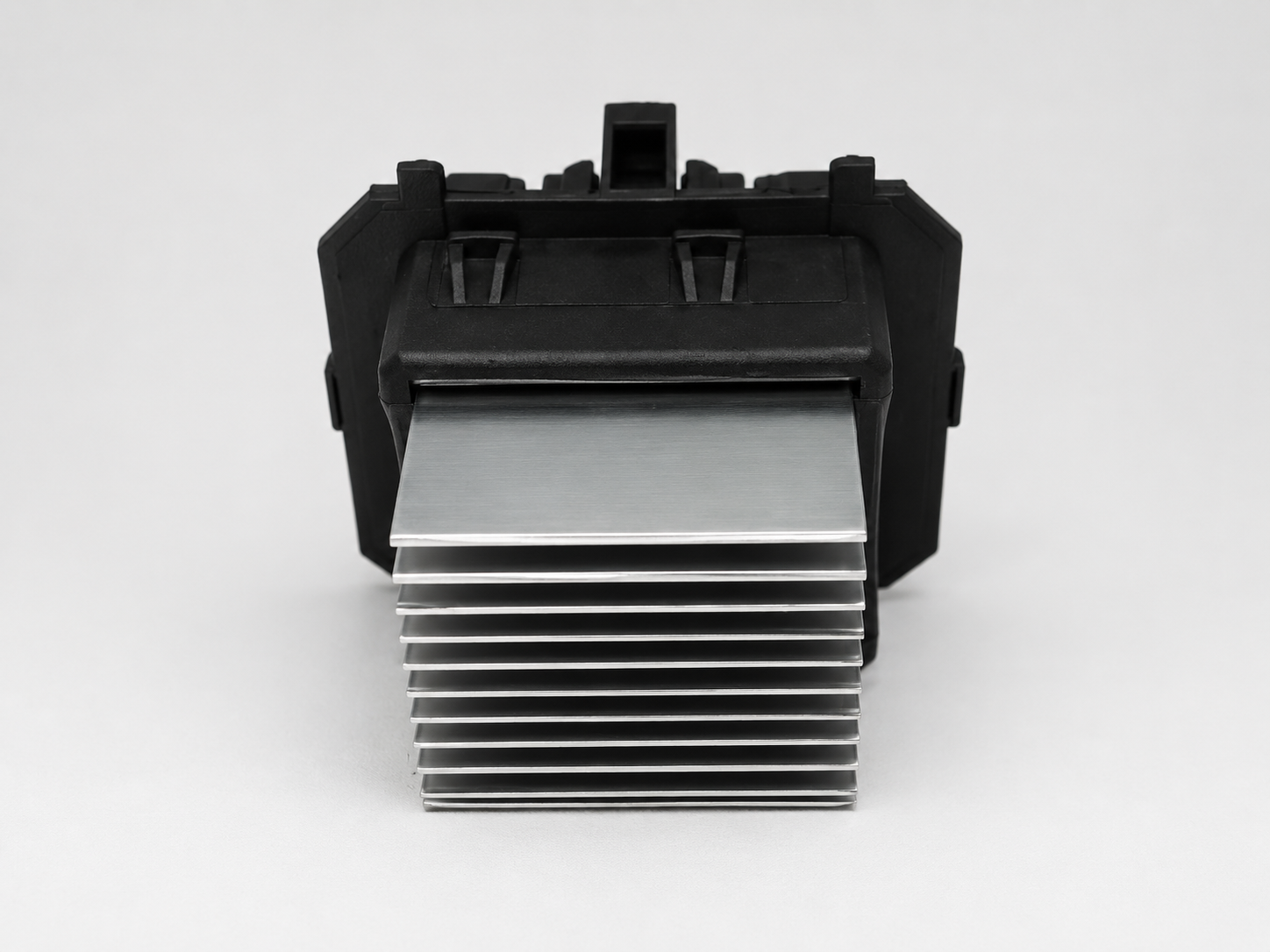
When it comes to maintaining your vehicle’s climate control system, many drivers focus on the compressor, refrigerant, or cabin air filter. However, one small but essential part often goes unnoticed: the blower motor resistor. Although compact in size, it plays a vital role in regulating the airflow inside your vehicle, ensuring you stay comfortable throughout Australia’s changing seasons.
Whether you are driving through the heat of summer or the cool mornings of winter, understanding how this component works can help you recognise early warning signs of failure and avoid expensive repairs.
What Is a Blower Motor Resistor?
The blower motor resistor is an electrical component that controls the speed of the blower motor in your vehicle’s heating, ventilation, and air conditioning (HVAC) system. It adjusts the amount of electrical current reaching the blower motor, allowing you to select different fan speeds from the dashboard controls.
Without it, the blower motor would only operate at a single speed or stop working altogether, making it difficult to maintain a comfortable cabin temperature.
See also: Commercial Installation Services: The Key to Efficient and Professional Business Spaces
How Does It Work?
Every time you adjust your fan speed, the resistor changes the electrical resistance supplied to the blower motor.
Here’s a simple explanation of the process:
- Low fan settings use higher electrical resistance.
- Medium settings reduce the resistance.
- High speed usually bypasses the resistor completely, delivering full battery voltage directly to the blower motor.
This straightforward design has been used successfully in vehicles for many years because it offers reliable fan speed control while remaining cost-effective.
Why Is It Important?
Many people underestimate the role of this small electrical component. In reality, it directly affects daily driving comfort and visibility.
A properly functioning resistor helps:
- Maintain consistent cabin airflow
- Improve heating performance during colder weather
- Support efficient air conditioning during summer
- Assist with windscreen demisting
- Enhance passenger comfort on long journeys
Without proper fan speed control, even a fully functional air conditioning system cannot distribute cooled or heated air effectively.
Common Signs of Failure
Like any electrical component, resistors wear out over time due to constant heat cycles and electrical load. Some common symptoms include:
Fan Only Works on High Speed
This is the most common indicator of resistor failure. Since the highest fan setting often bypasses the resistor, only high speed continues to function while lower settings stop working.
Certain Fan Speeds Stop Working
You may notice that one or two fan speeds no longer respond while others continue operating normally.
No Airflow
In severe cases, the blower motor may stop functioning entirely, leaving no airflow through the vents.
Intermittent Operation
Sometimes the fan works normally before suddenly stopping or changing speed unexpectedly.
Burning Smell
An overheating resistor may produce a burnt electrical smell, particularly when the fan is operating.
What Causes a Blower Motor Resistor to Fail?
Several factors contribute to resistor failure over time.
Heat Build-Up
The resistor naturally generates heat while reducing electrical current. Years of repeated heating and cooling eventually weaken its internal components.
Moisture Exposure
Water entering the HVAC housing can damage electrical connectors and shorten the lifespan of the resistor.
Worn Blower Motor
A failing blower motor often draws excessive electrical current, placing extra stress on the resistor.
Corroded Wiring
Damaged wiring or loose electrical connections may increase resistance and generate excessive heat.
Poor Ventilation
Because the resistor relies on airflow for cooling, blocked ventilation passages may cause it to overheat.
Diagnosing the Problem
Accurate diagnosis prevents unnecessary replacement of working parts. A technician will usually inspect:
- Blower motor operation
- Fan speed switch
- Electrical connectors
- Wiring harness
- HVAC control module
- Fuse condition
- Voltage supply
Testing each component ensures the fault is correctly identified before repairs begin.
Can You Continue Driving?
A failed resistor generally won’t stop the vehicle from driving safely, but it can create several inconveniences. Without proper airflow, you may experience:
- Reduced air conditioning performance
- Poor cabin heating
- Difficulty clearing fogged windows
- Less comfortable driving conditions
- Increased driver fatigue during hot weather
If airflow is completely lost, visibility may become a concern during wet or cold conditions when windscreen demisting is required.
Replacing the Component
Fortunately, replacing this part is usually a straightforward repair. The replacement process typically involves:
- Disconnecting the vehicle battery.
- Locating the resistor near the blower motor.
- Removing the electrical connector.
- Unscrewing the old unit.
- Installing the replacement.
- Testing all fan speed settings.
The exact procedure varies depending on the vehicle make and model.
Preventing Future Problems
Although electrical components eventually wear out, regular maintenance can extend their service life. Helpful maintenance tips include:
Replace Cabin Air Filters
A blocked filter restricts airflow, causing the blower motor to work harder.
Keep Water Drains Clear
Blocked drainage channels may allow moisture to enter the HVAC housing.
Address Blower Motor Issues Early
If the fan becomes noisy or operates inconsistently, have it inspected before it overloads the resistor.
Inspect Electrical Connections
Clean, secure connectors help reduce unnecessary heat generation.
Avoid Ignoring Warning Signs
Early repairs often prevent additional damage to other HVAC components.
Understanding the Blower Motor Fan Resistor
Many vehicle owners will also hear the term blower motor fan resistor. Both names refer to the same essential component responsible for controlling blower motor speeds within the HVAC system. Depending on the manufacturer, the terminology may vary, but its purpose remains the same: ensuring smooth airflow control for heating and air conditioning.
When Should It Be Replaced?
Replacement becomes necessary when testing confirms internal failure. Consider replacing the resistor if:
- Multiple fan speeds fail
- Electrical damage is visible
- Connectors have melted
- The blower motor has recently been replaced after excessive current draw
- Diagnostic testing identifies resistor failure
Using quality replacement parts helps restore reliable HVAC performance.
Why Professional Diagnosis Matters
Although symptoms may point towards the resistor, similar issues can result from:
- Faulty blower motors
- Damaged wiring
- Failed HVAC control modules
- Blown fuses
- Faulty dashboard controls
Professional testing ensures the correct component is repaired, reducing unnecessary costs and repeat repairs.
Final Thoughts
Your vehicle’s heating and cooling system depends on many components working together, and the blower motor resistor is one of the most important. Although small and often overlooked, it provides precise control over fan speeds, helping maintain cabin comfort and supporting safe driving in all weather conditions.
Recognising early signs of failure and carrying out timely repairs can prevent larger HVAC issues while keeping your heating and cooling system operating efficiently. Routine inspections and preventative maintenance remain the best way to ensure reliable airflow and year-round driving comfort.
