
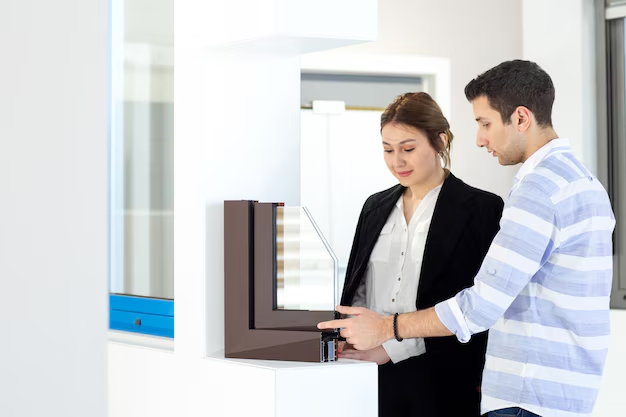
Choosing the right glass and mirror shop can affect far more than the appearance of a finished space. Glass must fit accurately, match the intended use, and be installed with care. A mirror may need specific edging, mounting, or safety features depending on where it will be placed. For homeowners, designers, contractors, and commercial property owners, selecting a dependable shop early can prevent measurement problems, unsuitable materials, and installation delays. Luxurious Glass offers glass and mirror services for projects that require careful fabrication, clean finishes, and attention to detail.
Start With the Type of Project
Before contacting a shop, define what you actually need. A bathroom enclosure, wall mirror, storefront panel, glass railing, kitchen backsplash, or custom tabletop can require very different materials and fabrication methods.
Make a short list of the project’s requirements, including:
- The type of glass or mirror needed
- Approximate dimensions
- Intended location
- Indoor or outdoor use
- Desired thickness
- Edge finish
- Frame or frameless design
- Installation requirements
- Any safety or building-code considerations
Having these details ready makes conversations with glass professionals much more productive. A good shop should also be willing to discuss material choices if you are uncertain about the specifications.
Check the Shop’s Range of Services
A shop that only sells standard glass may not be suitable for a project involving custom fabrication or installation. Look at the services offered before making a decision.
A capable glass and mirror provider may handle several stages of the job, such as measurement, design consultation, cutting, edging, fabrication, delivery, and installation. Having these services handled by an experienced team can reduce communication problems between different contractors.
For example, a custom shower enclosure may require precise measurements, tempered safety glass, polished edges, hardware selection, and professional installation. A shop familiar with the entire process can identify potential issues before fabrication begins.
Ask About Glass Types and Safety
Glass is available in many forms, and the right choice depends on the application. Standard annealed glass may be appropriate for some decorative uses, while tempered glass is commonly selected for areas where increased safety is required.
Laminated glass can provide another option when impact resistance and retaining broken glass are concerns. Low-iron glass may be preferred for applications where maximum clarity is desired, particularly for displays, shower enclosures, and architectural features.
Ask the shop:
- What type of glass is recommended for the application?
- What thickness is appropriate?
- Is tempered or laminated glass required?
- Does the material meet applicable safety standards?
- Are certifications or manufacturer information available?
A reputable provider should answer these questions clearly rather than simply recommending whichever product is easiest to supply.
Examine Mirror Quality
Mirrors may look similar at first glance, but construction and finishing can vary considerably. The quality of the reflective coating, glass clarity, thickness, edge treatment, and backing can all affect the finished product.
For bathrooms and other areas exposed to moisture, ask about products designed for the environment. A properly selected mirror should maintain its appearance without developing premature discoloration around the edges.
The shape also matters. Rectangular mirrors are straightforward, but unusual arches, circles, oversized panels, or decorative cuts require accurate fabrication. Ask to see examples of custom mirror work so you can assess the quality of the edges and overall finish.
Review Previous Work
Photos can reveal a great deal about a shop’s capabilities. Look for projects that resemble yours rather than relying only on general promotional images.
Pay attention to details such as:
- Straight and consistent glass edges
- Clean corners
- Even mirror placement
- Proper hardware alignment
- Minimal gaps
- Neat silicone or sealant work
- Consistent finishes
- Overall installation quality
A portfolio containing bathrooms, residential interiors, commercial spaces, storefronts, or architectural glass can also indicate the range of projects the shop has handled.
For a larger or more unusual installation, ask whether the shop has completed something with comparable dimensions or technical requirements.
Read Reviews With a Critical Eye
Customer reviews can provide useful information about communication, punctuality, workmanship, and after-installation support. Look beyond the overall star rating.
Several detailed reviews mentioning accurate measurements, professional installation, good communication, and clean workmanship are generally more informative than dozens of short ratings without comments.
Also check how the company responds to negative feedback. A professional response can show whether concerns are addressed respectfully and whether the business takes responsibility when an issue genuinely occurs.
You can also ask friends, contractors, interior designers, or property managers for recommendations based on projects they have personally completed.
Compare Quotes Carefully
Getting more than one estimate can help you understand the scope of the work. However, the lowest quote should not automatically win.
Ask each shop to specify what is included. A quote may cover only the glass, while another may include measurement, fabrication, hardware, delivery, and installation.
Compare details such as:
- Glass type and thickness
- Mirror specifications
- Hardware
- Edge finishing
- Measurement service
- Installation
- Delivery
- Removal of existing glass
- Warranty or workmanship coverage
A surprisingly low estimate may leave out services that you later need to purchase separately. A detailed quote gives you a clearer basis for comparison.
Pay Attention to Measurement and Installation
Glass fabrication leaves little room for measurement errors. Once a custom panel has been cut, correcting an incorrect measurement can become expensive and time-consuming.
Ask who will take the final measurements. For complicated installations, professional measurement is preferable to relying on rough dimensions supplied by the customer.
Installation deserves the same attention. Even a high-quality glass panel can look poor if it is installed incorrectly. Doors may fail to align, gaps can appear uneven, hardware can sit incorrectly, or seals may not perform as intended.
Ask about the installer’s experience with the specific type of project. A team experienced with shower doors may not necessarily specialize in large commercial glass installations, and vice versa.
Look at Hardware and Finishing Options
Glass is only part of many projects. Hinges, handles, brackets, channels, clips, supports, and mounting systems can strongly influence the finished appearance.
For shower enclosures, for example, hardware finishes might include chrome, brushed finishes, matte options, or other decorative choices. The hardware should complement the glass and surrounding fixtures.
Ask about available options and confirm that the selected hardware is suitable for the glass thickness and installation method. Good coordination between glass and hardware can make a major difference in both appearance and performance.
Consider Communication and Project Support
A reliable shop should make it easy to get clear answers. Pay attention to how questions are handled during the initial conversation.
Do they explain material differences? Do they confirm measurements? Are the specifications written clearly? Do they communicate expected production and installation stages? Are changes documented before fabrication?
These details matter because custom glass work often involves several decisions. Clear communication reduces the possibility of misunderstandings once production starts.
For commercial projects, communication becomes even more significant because glass installation may need to coordinate with other trades, opening dates, or renovation schedules.
Ask About Warranty and Aftercare
Before approving the work, find out what happens if something goes wrong after installation. Ask whether the shop provides a workmanship warranty and what manufacturer warranties apply to the glass, mirrors, hardware, or other components.
It is also useful to ask about cleaning and maintenance. Different glass treatments and hardware finishes may have specific care recommendations. Understanding these requirements can help preserve the appearance of the installation.
Choose Based on Fit, Not Just a Price Tag
The right shop should match the technical requirements, design expectations, and practical needs of your project. Experience, material knowledge, accurate measurement, fabrication quality, installation skills, communication, and aftercare all deserve consideration.
A good provider should also be comfortable telling you when a particular material or design is unsuitable. Honest guidance can save you from choosing something that looks attractive but does not work well for the intended location.
See also: Understanding Capacity and Safe Use in Culinary Gas Equipment
Make Your Final Choice With Confidence
Selecting a glass and mirror provider is easier when you evaluate the complete service rather than a single number on a quote. Define your requirements, check the shop’s experience, review previous work, ask about safety and materials, compare detailed estimates, and confirm installation and warranty terms before moving ahead.
The right choice should leave you with glass or mirrors that fit properly, look refined, and perform as expected for years to come. For your next residential or commercial glass project, contact us today to discuss your requirements, material options, fabrication needs, and installation plans with a qualified glass professional.
